.png)
Casino slots are not merely a game of chance but a sophisticated blend of psychology and design that entices millions of players worldwide. The allure of slot machines lies not only in the potential for big payouts but also in the meticulous construction of the gaming experience, designed to captivate and retain players. Here’s a deeper look into the psychological elements that make casino slots irresistibly engaging.
Visual and Auditory Appeal
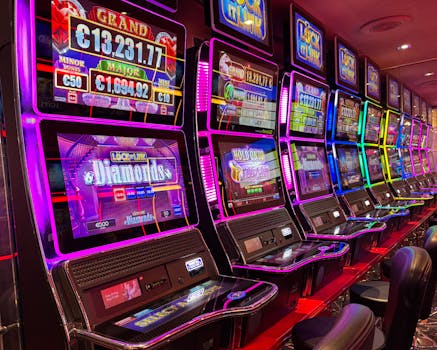
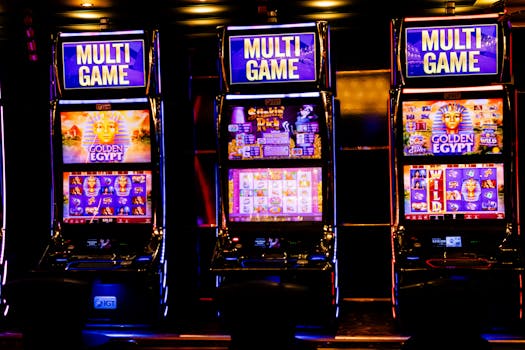
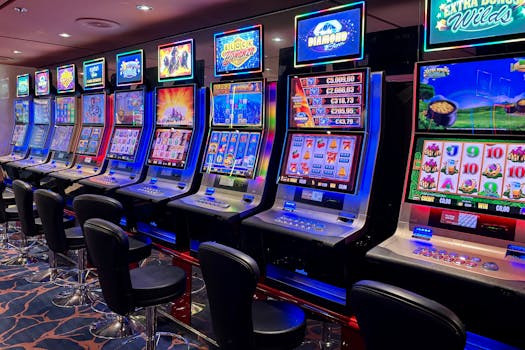
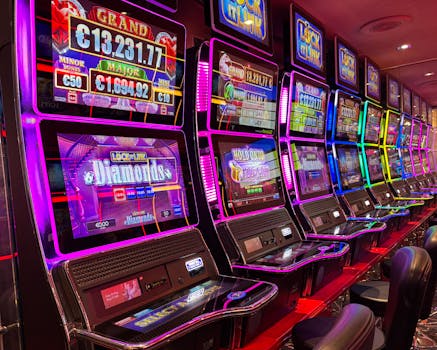
The first thing that strikes you about casino slots is their vibrant aesthetics. Bright lights and vivid colors are deliberately chosen to grab attention and create an atmosphere of fun and excitement. The sounds accompanying the games, especially the ringing bells and chimes of winning spins, are designed to elevate the mood. These auditory cues not only signal victory but also trigger a psychological response that associates the sounds with positive emotions, reinforcing the gaming behavior.
Instant Gratification
Slots cater to the human desire for instant gratification. Unlike many table games, which require a buildup to the outcome, slots offer immediate rewards. Players can spin the reels and see results in seconds, keeping the adrenaline pumping and the dopamine flowing. This rapid pace of play can lead to longer sessions as players chase the exhilarating feeling of a quick win.
Simplicity and Accessibility
The straightforward nature of slot machines makes them accessible and appealing to a wide demographic. They require no prior gambling knowledge or complex strategy, making them attractive to both beginners and seasoned gamblers. This ease of play removes barriers to participation, allowing anyone to engage with the game with minimal effort.
Randomness and the Unknown
The unpredictable outcomes of each spin create a thrilling experience of uncertainty. The random nature of slot machines taps into the human fascination with the unknown and the excitement that comes from it. The potential of hitting a jackpot, regardless of how unlikely, is a powerful draw for players who hold onto the hope of turning their luck around with just one more spin.
The Near-Miss Effect
Slots are particularly adept at exploiting the "near-miss" effect. When players come close to a big win but fall short, it often feels like they are just on the brink of success, prompting them to keep playing. This psychological phenomenon can make the experience more engaging by continuously renewing hope and encouraging the belief that a win is imminent.
Loss Aversion and Frequent Rewards
The principle of loss aversion, where the pain of losing is more impactful than the pleasure of an equivalent gain, plays a significant role in the design of slot machines. By programming games to dispense small wins frequently, casinos can create the illusion of success, even if players are net losers. This strategy encourages continued play, as players perceive themselves to be on a 'winning streak'.
Social Influence and Visibility
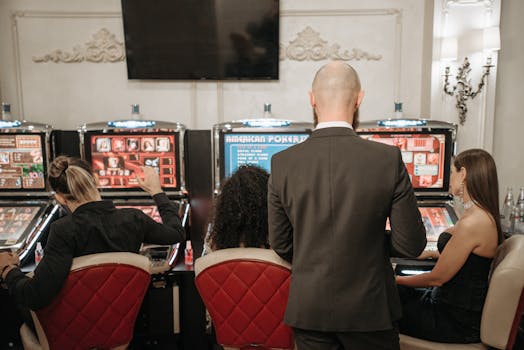
Slot machines often occupy high-traffic areas within casinos, making wins highly visible to other patrons. Witnessing someone else’s success can trigger the social proof phenomenon, where people believe that winning is possible and more likely to happen to them as well. This visibility can be a powerful motivator to engage in gameplay.
Loyalty Rewards
Casinos further enhance the appeal of slots through loyalty programs that reward play with comps, such as free meals, hotel stays, and other perks. These rewards foster a sense of value and appreciation, encouraging a loyalty loop where players feel recognized and incentivized to continue playing.
Understanding the psychological underpinnings of casino slots can provide valuable insights into why these games are so captivating. By recognizing these triggers, players can better manage their engagement and approach gambling with greater awareness, potentially enhancing their overall casino experience.