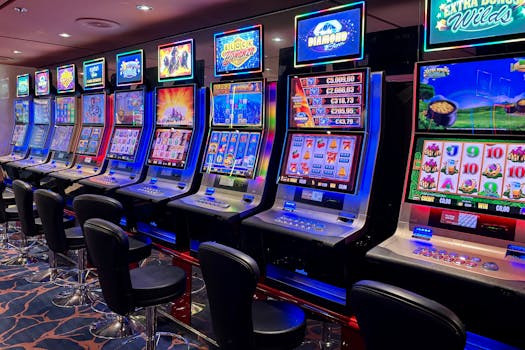
Casino slots, often simply referred to as slots, have become an undeniable staple of the global gaming culture. This journey from mechanical novelty to a cornerstone of both digital and physical gaming establishments showcases not only technological advancement but also a deep cultural integration. Here's a closer look at how slots have evolved and cemented their place in the gaming world.
Historical Beginnings
The story of slot machines begins in 1895 with Charles Fey in San Francisco, who created the first recognizable slot machine, the Liberty Bell. This machine was simplistic but revolutionary, featuring three spinning reels adorned with five symbols: horseshoes, diamonds, spades, hearts, and the eponymous Liberty Bell. The appeal of potentially receiving instant payouts made these machines incredibly popular in bars and saloons, setting the stage for their pivotal role in gaming culture.
.png)
Technological Evolution
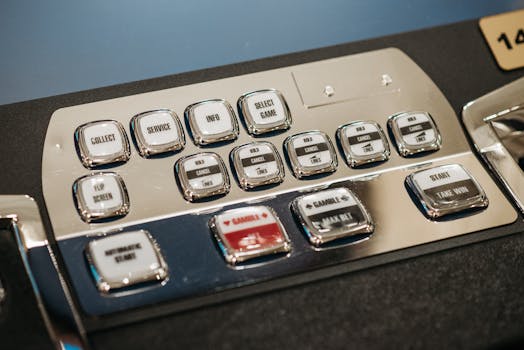
Through the 20th century, slot machines saw significant advancements. The 1960s introduced electronic slots, replacing the mechanical inner workings with electronic components, allowing for more reliable and diverse game outcomes. The late 1970s brought another leap with the advent of video slots, which replaced physical reels with video screens, paving the way for themed games, intricate bonus rounds, and richer graphics.
Digital Transformation
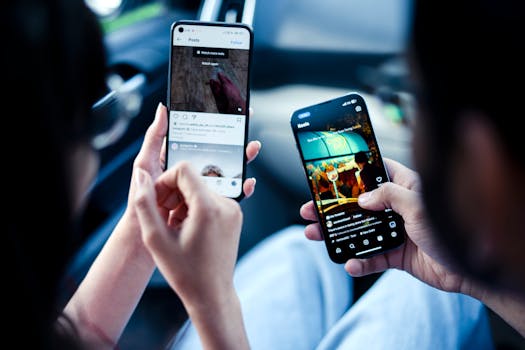
The 1990s and the rise of the internet heralded a new era for slots. Online casinos began to dot the digital landscape, and slot games transitioned seamlessly into this new format. The convenience of playing from home or on mobile devices, coupled with an ever-expanding variety of themes and features, made online slots a massive hit. These digital versions continued to evolve with advancements in software, becoming more engaging and immersive.
Cultural Impact and Popularity
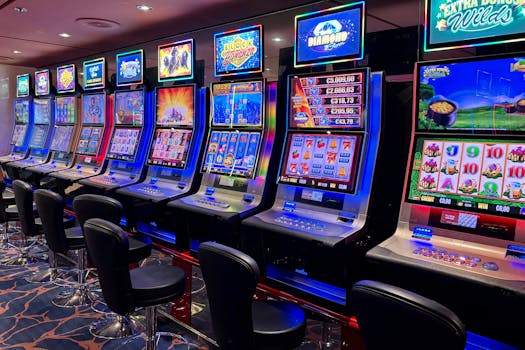
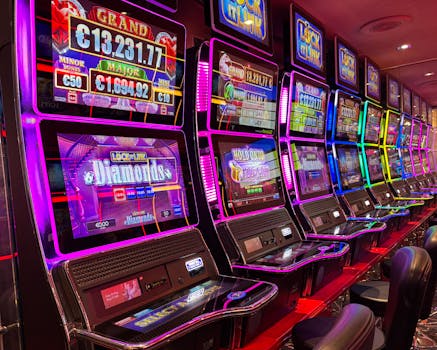
Slot machines resonate with a broad audience partly because they symbolize luck and fortune. The bright lights, captivating sounds, and dynamic visuals of slot machines stimulate a sensory experience that draws players into the action, fostering excitement and anticipation. This allure is one of the primary reasons for their sustained popularity.
Moreover, slots are inclusive, requiring no prior skill or strategy, which makes them accessible to everyone, from casual visitors of casinos to serious gamblers aiming for substantial payouts.
Social Interaction
Slots also facilitate a social gaming experience. In physical casinos, slot machines are strategically placed to create lively communal spaces where players can enjoy the thrill of the game together. Online, this aspect is maintained with interactive features like tournaments and chat rooms that allow players from around the world to connect and compete.
Future Prospects
The future of slots looks promising with potential developments in virtual and augmented reality poised to enhance the sensory appeal of the games even further. The integration of artificial intelligence could also personalize gaming experiences, adapting games to individual player preferences and behaviors.
Conclusion
From their inception as simple mechanical devices to their status as sophisticated gaming technology, slot machines epitomize the intersection of cultural appeal and technological innovation. As they continue to evolve, it is evident that slots will remain a vibrant and essential component of global gaming culture for the foreseeable future. Whether online or in brick-and-mortar casinos, the slot machine's ability to adapt and entertain ensures that it will continue to attract players of all types, reinforcing its role as a beloved staple of gaming culture.