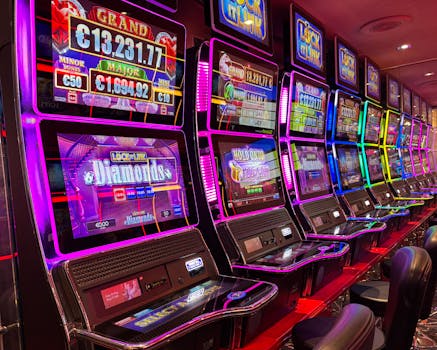
Virtual Reality: The Future of Casino Slots
The casino industry has always been a pioneer in embracing technological advancements, and virtual reality (VR) is poised to be the next major innovation in this realm. VR is set to transform traditional slot machine experiences, offering players immersive environments and interactive gameplay that go far beyond the capabilities of current machines. This article delves into the impact of VR on casino slots, examining both the opportunities and challenges it presents to the industry.
The Transformation through VR Technology
.png)
Virtual reality technology utilizes VR headsets to create simulated environments that can either replicate or completely reimagine the real world. For slot machines, this means players can be transported from a simple living room or a traditional casino floor to an entirely immersive digital world. In this world, both the slot machines and their surroundings are part of an intricately designed virtual experience.
Enhancing Player Experience
The primary benefit of VR slots is the vastly enhanced user experience compared to traditional methods. Current online and land-based slots are constrained to two-dimensional interfaces, limiting interaction to simple clicks or lever pulls. VR slots, however, offer a three-dimensional space where players can walk around, interact with other players, and engage with the game in a dynamic environment. This level of immersion can significantly heighten enjoyment and engagement.
Interactive and Narrative-driven Gameplay
VR technology allows game developers to craft detailed and interactive narratives within slot games. Players can become active participants in story-driven games, where progressing through slots might involve completing challenges, solving puzzles, or unlocking new story elements. This adds a depth and engagement level not possible in traditional slot games.
Social Interaction in Virtual Casinos
The social aspect of gambling, crucial in traditional settings, is enhanced in VR. Players can meet and interact within a virtual space, share tips, celebrate wins together, or compete in tournaments. This not only enriches the gaming experience but also helps to replicate the vibrant atmosphere of a casino floor online.
Technical and Regulatory Challenges
Developing VR slots involves overcoming significant technical challenges, including the need for high processing power and sophisticated graphics capabilities. These requirements can be costly, but as VR technology advances and becomes more widespread, these costs are likely to decrease.
Additionally, regulatory challenges must be addressed. The integration of VR in gambling needs to ensure fairness and address potential issues like motion sickness and player disorientation. Regulators will need to develop new guidelines to ensure a safe and equitable virtual gambling environment.
Future Prospects and Market Adaptation
The potential benefits of VR slots make them a promising development for the future of gambling. Casinos implementing VR can attract a younger, more tech-savvy demographic, who are drawn to innovative gaming experiences. Moreover, VR slots offer unique marketing opportunities that traditional and online slots cannot provide.
Conclusion
Virtual reality is set to revolutionize the casino slot industry by offering more immersive, interactive, and engaging gaming experiences. While there are hurdles to overcome, the integration of VR technology holds substantial potential for attracting new players and redefining the slot-playing experience. As technology continues to evolve and integrate more into everyday life, VR slots are likely to become a standard feature in casinos globally, heralding a new era in gambling.