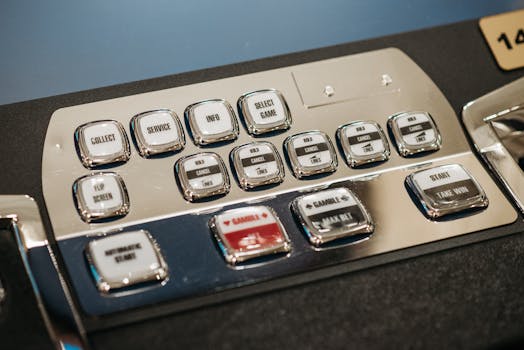
The story of fruit machines is not just a narrative of technological innovation but also a reflection of cultural shifts and legal changes over more than a century. From their inception as simple mechanical devices to their presence in today's digital landscape, fruit machines have undergone substantial transformations.
The Beginnings of Fruit Machines The journey of fruit machines began in the late 19th century with Charles Fey’s invention of the Liberty Bell, the first true slot machine. This machine, which appeared in San Francisco in the 1890s, had three spinning reels and featured symbols like horseshoes, diamonds, spades, hearts, and the Liberty Bell itself. The alignment of three bells resulted in the highest payout, making the Liberty Bell immensely popular. This marked the beginning of a gaming phenomenon that would spread across bars and eventually into the public consciousness.
International Expansion and Adaptation As the popularity of these machines grew, they made their way to other countries, adapting to the legal and cultural climates of their new homes. In the UK, where gambling faced stricter regulations, machines paid out in chewing gum and sweets instead of cash, which is how the term "fruit machine" came about. The symbols on these machines typically included fruits such as cherries, lemons, and plums, aligning with the non-monetary prizes they offered.
.png)
Technological Evolution in the Mid-20th Century The 1960s marked a significant technological shift with the introduction of electromechanical fruit machines. These allowed for larger jackpots and more intricate payout systems. By the 1970s, the inclusion of microprocessors paved the way for even more complex and entertaining gameplay, enhancing the graphical and sound capabilities of the machines.
The Rise of Video Slots The 1980s and 1990s saw the emergence of video slot machines, which replaced traditional mechanical reels with video screens. This innovation provided the groundwork for multiple paylines, intricate bonus rounds, and progressive jackpots, further enriching the player experience and increasing the machines' appeal.
Online and Mobile Gaming The late 20th century brought about another pivotal change with the advent of the internet. Online casinos began to appear, offering players the chance to enjoy fruit machine games without leaving their homes. These platforms replicated the excitement of traditional slot machines while adding benefits like greater convenience, a broader selection of games, and options for free play.
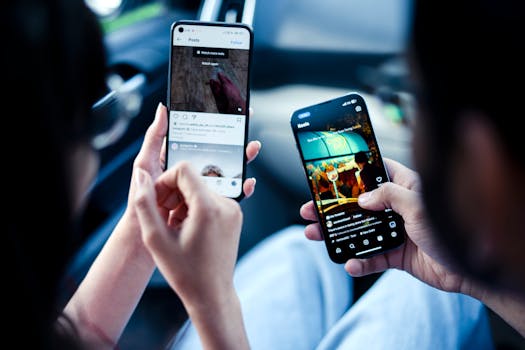
Today, the integration of mobile technology means that fruit machines are more accessible than ever, allowing gameplay on smartphones and tablets anywhere and at any time. This accessibility has not only broadened the demographic appeal of fruit machines but also integrated them into the daily lives of millions of users globally.
Looking to the Future As we move forward, the evolution of fruit machines continues to be influenced by both technological advancements and player preferences. Innovations in virtual reality and perhaps even augmented reality could redefine the immersive experience of these games. Moreover, as artificial intelligence becomes more sophisticated, we might see more personalized gaming experiences becoming mainstream.
Conclusion The history of fruit machines is a compelling saga of innovation, adaptation, and popular culture. From mechanical to digital, from bars to online platforms, fruit machines have continually evolved to meet the changing preferences of their audiences. As technology advances, they are set to captivate and entertain future generations, remaining a beloved staple in the gaming industry.