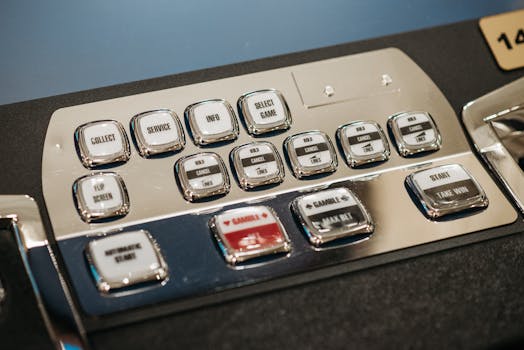
The Aesthetics of Casino Slot Machines: More than Just Bright Lights
Slot machines are instantly recognizable icons of the casino world—rows of gleaming cabinets, animated displays, and a kaleidoscope of colors. But behind the dazzle and spectacle lies a deep, intentional design philosophy. The aesthetics of slot machines are far more than mere visual indulgence; they are a carefully crafted experience blending art, psychology, and technology. This article explores how the look, feel, and sensory impact of slot machines shape player perception, engagement, and enjoyment, revealing that the beauty of these machines is woven into every detail.
The Psychology Behind Slot Machine Design
The attraction of slot machines is not accidental. Studies show that up to 70% of casino floor revenue in North America comes from slot machines, making their design a critical focus for casinos. Designers work with behavioral psychologists to create machines that are visually and emotionally compelling.
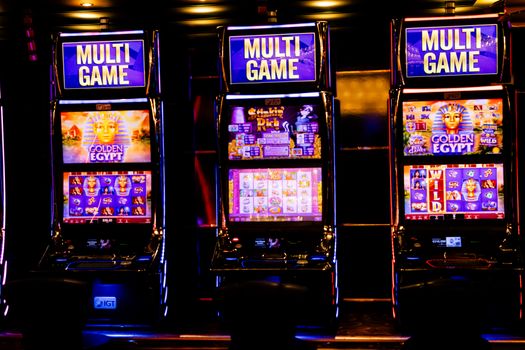
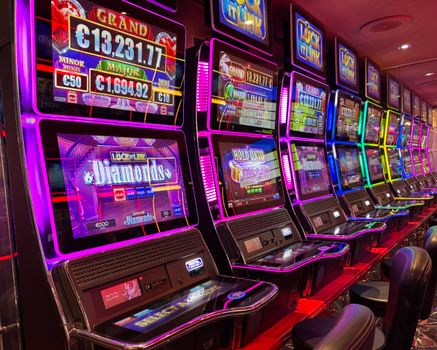
Color is a primary tool—red and gold are often used to symbolize luck and wealth, while blue and green hues can calm and prolong play. The arrangement of lights, the choreography of animations, and even the pacing of sounds are all calculated to create a sense of anticipation and excitement. Research published in the Journal of Gambling Studies in 2018 found that players were more likely to play longer on machines that used dynamic lighting and multisensory feedback.
.png)
Moreover, slot machines employ principles of operant conditioning. Small wins, celebratory visuals, and rewarding sounds reinforce continued play. This interplay of design and psychology leads to an immersive experience that goes well beyond bright lights.
From Mechanical Marvels to Digital Artistry
Slot machine aesthetics have evolved dramatically over the past century. The first commercial slot, the Liberty Bell, was invented in 1895 by Charles Fey. It featured simple cast iron housing, a visible spinning reel, and a mechanical lever. Fast forward to 2024, and slot machines are intricate digital canvases, boasting high-definition screens, surround sound, and interactive touch panels.
Modern machines blend nostalgic motifs—like cherries, bars, and sevens—with contemporary themes such as blockbuster movies or video game franchises. For example, the "Wheel of Fortune" slot series, launched in 1996, has generated over $3 billion in revenue and continues to attract new generations with its vivid graphics and branded appeal.
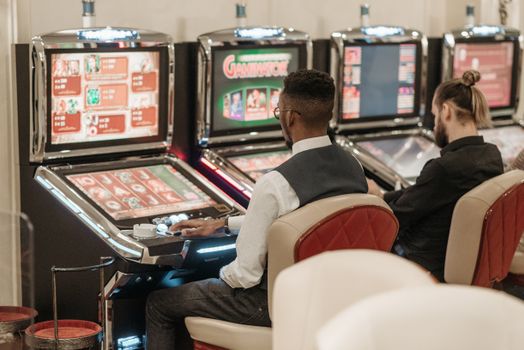
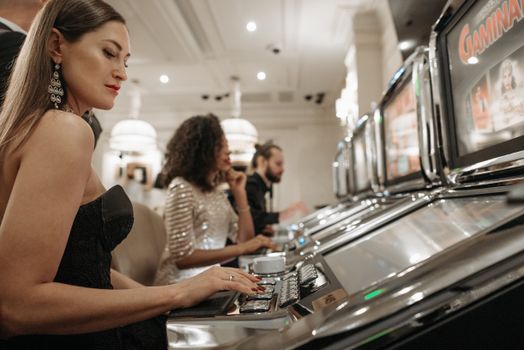
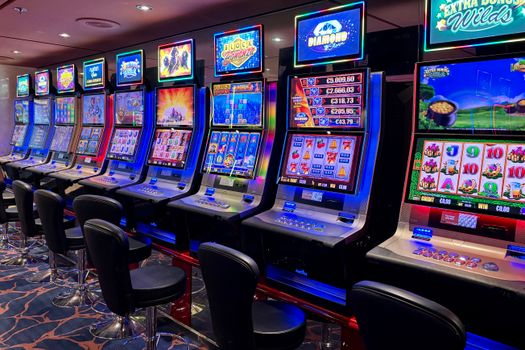
Today's slot cabinets are also ergonomically designed for comfort. Adjustable chairs, curved screens, and ambient lighting cater to extended play sessions, while advanced digital graphics allow for detailed animations and transitions. This seamless marriage of art and engineering ensures that the aesthetic appeal of slot machines stays relevant in an increasingly digital entertainment landscape.
The Role of Sound, Texture, and Touch
A slot machine’s allure is not limited to what meets the eye. Sound plays a foundational role, with each machine featuring a unique soundscape. The clinking of coins, the cheerful jingles, and the dramatic music during bonus rounds all serve to heighten anticipation and reinforce wins. A 2021 study by the University of Alberta found that 85% of players associated slot machine sounds with positive emotions, even when they didn’t win.
Texture and touch complete the multisensory experience. The feel of a smooth button or the resistance of a lever adds a tactile dimension to play. Some modern machines use haptic feedback—subtle vibrations or clicks in response to player actions—to further immerse users. These sensory cues, when synchronized, establish a ritualistic pattern of play that is both comforting and stimulating.
Visual Themes and Storytelling
Slot machines are increasingly designed to tell stories. Whether it’s embarking on an Egyptian adventure, exploring outer space, or joining a favorite TV show cast, visual themes draw players into miniature worlds. This approach, known as "narrative design," helps differentiate machines in a crowded market and encourages repeat play.
Themed machines often utilize advanced graphics, animated sequences, and even episodic content. For instance, the "Game of Thrones" slot machine offers players a chance to pick a house, unlocking different bonus features as they play. This interactivity enhances engagement and creates a sense of progression, much like in video games.
Below is a comparison of traditional vs. modern slot machine aesthetics:
| Feature | Traditional Slots (Pre-1990s) | Modern Slots (2000s-Present) |
|---|---|---|
| Display | Mechanical reels, single payline | Digital screens, multiple paylines, 3D graphics |
| Sound | Simple bells and coin sounds | Custom music, surround sound, dynamic audio cues |
| Interaction | Lever pull, physical buttons | Touchscreens, haptic feedback, gesture controls |
| Themes | Classic symbols (fruits, bars, sevens) | Pop culture, movies, TV, adventure, fantasy |
| Lighting | Incandescent bulbs, flashing lights | LEDs, animated light shows, customizable effects |
Architectural Integration and Casino Ambiance
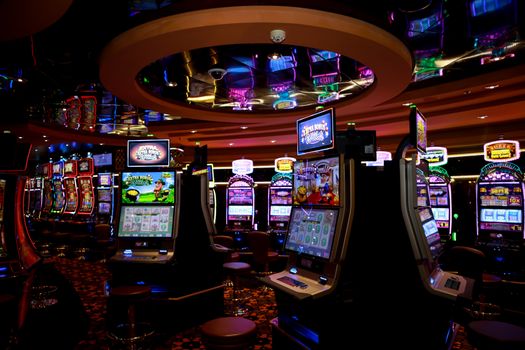
The aesthetics of slot machines extend beyond individual cabinets—they shape the entire casino environment. Casino architects and interior designers work closely with slot manufacturers to create visually harmonious gaming floors. Strategic placement of machines, themed clusters, and the use of light and sound zones are all coordinated to maximize appeal and flow.
For example, the Bellagio in Las Vegas uses a combination of custom slot cabinets, unique carpeting, and sculptural lighting to create distinct gaming areas. These zones help guide player movement and foster a sense of discovery. According to a 2022 survey by the American Gaming Association, 62% of casino visitors rated ambiance and visual appeal as key factors in their overall satisfaction.
This integration also extends to the digital realm. Online casinos recreate the visual splendor of land-based slots through immersive graphics, animated backgrounds, and even simulated soundscapes, ensuring that the aesthetics remain a competitive edge regardless of platform.
The Future: Personalization and Immersive Technologies
As technology evolves, so do the aesthetics of slot machines. The next frontier is personalization. Using player data, future slot machines could adapt themes, colors, and even music to individual preferences. Augmented and virtual reality (AR/VR) are already being tested in some casinos, allowing players to step into fully interactive environments.
Manufacturers are also exploring eco-friendly materials and energy-efficient LED lighting to enhance sustainability without sacrificing visual impact. For example, Scientific Games reported in 2023 that its new slot cabinets consume 30% less energy than previous models.
By combining personalization, sustainability, and immersive technologies, the future of slot machine aesthetics promises to be as engaging as ever, ensuring their place as the centerpiece of casino entertainment.
Conclusion
The aesthetics of casino slot machines are the result of a sophisticated blend of art, psychology, and technology. From the way colors and sounds are orchestrated to the integration of storytelling and thematic elements, every detail is designed to captivate and engage. As casinos and manufacturers look to the future, the focus on immersive, personalized, and sustainable designs ensures that the appeal of slot machines will continue to evolve—proving that their allure is much more than just bright lights.