The Social Evolution of Slot Machines: From Solitary Play to Shared Excitement
Slot machines have always held a special place in the world of gaming, captivating millions with their blend of chance, color, and anticipation. But in the last decade, a significant shift has occurred: slot machines have leaped from the casino floor onto the world’s most popular social media platforms. This change isn’t just about convenience—it’s fundamentally transforming the way people experience, perceive, and interact with slot games. Let’s explore how slot machines are evolving within the social media landscape, the new dynamics they create, and how these innovations are reshaping the future of digital gaming.
How Social Features Redefine the Slot Machine Experience
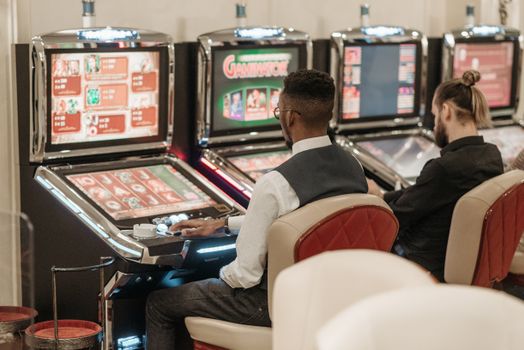
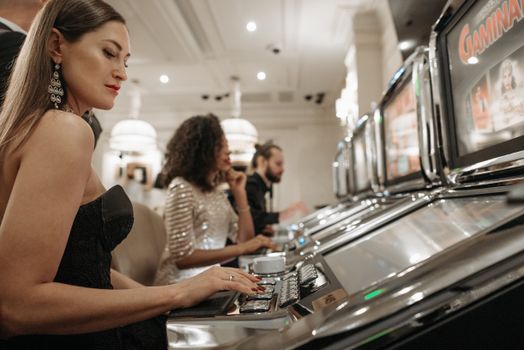
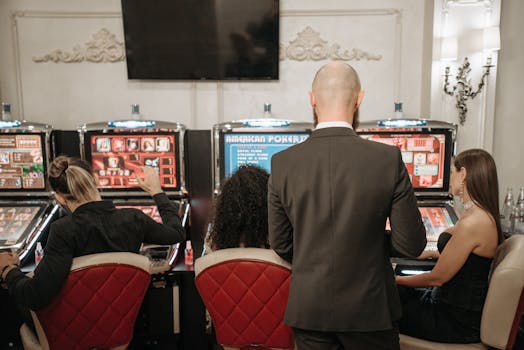
One of the most profound changes brought by social media integration is the shift from solitary play to a shared, communal experience. Traditional slot machines were designed for individual engagement. Players would sit alone, spin the reels, and hope for a win. Now, thanks to social media, the entire process has become interactive and socially charged.
Social slot games often feature built-in chat functions, friend lists, and the ability to send or receive virtual gifts. For example, in Zynga’s “Hit It Rich!” slots, players can join clubs, chat in real time, and send free coins to friends. This sense of community is powerful: a 2023 Newzoo report found that 68% of social casino players said they enjoyed games more when they could interact with friends or other users.
.png)
Leaderboards, achievements, and tournaments further add layers of competition and camaraderie. Unlike the anonymous pull of a casino lever, every achievement or big win can be instantly shared with a user’s network, fostering both friendly competition and a celebratory atmosphere. These features have proven so popular that games like Slotomania boast over 35 million monthly active users worldwide, a testament to the magnetic draw of social gameplay.
Gamification and Engagement: Why Social Slots Keep Players Coming Back
Gamification—the use of game-like mechanics in non-game contexts—has become a cornerstone of social media slot design. Developers employ a variety of strategies to keep players engaged, including daily bonuses, missions, collectible items, and seasonal events.
For instance, a player might receive a daily reward for logging in, complete a set of themed missions for extra coins, or unlock unique avatars and frames for their profile. These elements tap into basic human psychology, creating habits and routines that encourage continued play. According to a 2022 survey by Eilers & Krejcik Gaming, 72% of social slot players reported logging in at least four times per week, often motivated by time-limited challenges or rewards.
The integration of “progress meters” and tiered rewards systems also builds a sense of accomplishment and progress, even in the absence of real-money wagering. Players can level up, unlock new slot machines, or earn rare virtual prizes—sometimes even collaborating with friends to achieve collective goals. This continuous feedback loop is a major factor in the immense popularity and stickiness of social slots.
Demographics and Accessibility: Who’s Playing Social Slot Games?
The move to social media has dramatically broadened the slot machine audience. While traditional slots often skewed toward older adults in physical casinos, social slot games attract a much wider demographic. According to Statista, in 2023, 54% of social casino gamers worldwide were aged 18-34, and 46% were women—significantly higher than the demographic share for land-based slot players.
Mobile accessibility plays a major role as well. Nearly 80% of social slot players access these games through their smartphones or tablets, making it easy to play in short bursts—on the bus, during lunch breaks, or while waiting in line. This “snackable” format aligns perfectly with modern digital lifestyles and the quick-hit nature of social media itself.
Furthermore, social slots are often free to play, eliminating the financial barriers associated with real-money casino gambling. While players can purchase virtual coins or boosters, the core experience is accessible to anyone with an internet connection and a social media account.
Responsible Play, Ethics, and Regulation in the Social Slot Space
Unlike their real-money counterparts, social slot games occupy a unique regulatory gray area. Players typically can’t cash out winnings for real money, which exempts many games from traditional gambling laws. However, the use of in-app purchases and the psychological mechanics of chance still raise important ethical questions.
In 2022, the UK Gambling Commission estimated that over 15 million people in the UK alone played social casino games, and concerns have been raised about the potential for these games to normalize gambling behaviors—especially among younger users. Some platforms have responded by introducing robust responsible gaming features, such as spending limits, playtime reminders, and self-exclusion tools.
Here’s a comparison of regulatory features between traditional and social slot platforms:
| Regulatory Feature | Traditional Casino Slots | Social Media Slot Games |
|---|---|---|
| Age Verification | Strict (18+ or 21+) | Often minimal or none |
| Monetary Winnings | Real money payouts | No cash-out, virtual rewards only |
| Responsible Gaming Tools | Mandatory, heavily regulated | Increasingly common, but voluntary |
| Advertising Restrictions | Strict regulations | Few restrictions (varies by region) |
The industry is evolving, with some social casino developers voluntarily adopting best practices from regulated gambling environments. As the line between gaming and gambling continues to blur, expect more focus on player safety and transparency.
The Business of Social Slots: Revenue Without Real Gambling
Despite not offering real-money payouts, social slot games are big business. The global social casino market was valued at $6.2 billion in 2023, with slot-themed games making up the largest share. The revenue model relies on microtransactions—small purchases of virtual coins, power-ups, or premium content.
This model is highly effective: only about 2%-5% of players ever spend money, but those who do (often called “whales”) can spend hundreds or even thousands of dollars annually. For example, in 2022, the average revenue per paying user (ARPPU) in top social slot games was $87. This is supported by a “freemium” approach, where the vast majority of players enjoy the game for free, ensuring a massive pool of active users, while a small percentage contribute most of the revenue.
Advertising and brand partnerships also play a growing role. Cross-promotions with movies, celebrities, or other games can introduce new themes and attract diverse audiences, keeping the content fresh and appealing.
Innovation on the Horizon: What’s Next for Social Slot Machines?
The future of social slot machines is poised for even greater innovation. Developers are exploring immersive technologies such as augmented reality (AR) and virtual reality (VR) to create more engaging environments. Imagine spinning the reels in a virtual Las Vegas with friends from around the world, or playing a themed slot tied to a global sporting event, complete with live chats and real-time updates.
Personalization is another key trend. Machine learning algorithms now tailor content, bonuses, and game recommendations to individual player behaviors. In 2023, Playtika reported a 20% increase in player retention after introducing personalized daily missions and rewards.
Finally, the integration of social slot games with live streaming platforms like Twitch and Facebook Gaming is opening new avenues for community engagement. Viewers can watch friends or influencers play, participate in giveaways, and interact via chat—making slot gaming not just a personal pastime, but a shared entertainment experience.
Final Thoughts: The New Social Frontier of Slot Machines
Slot machines have undergone a dramatic transformation, evolving from solitary casino amusements to vibrant, community-driven experiences on social media. This shift is more than technological—it’s cultural, redefining how people perceive chance, competition, and entertainment. The blend of gamification, accessibility, and social interaction has brought slots to a new, broader audience and created new opportunities for fun, friendship, and innovation.
As technology and player expectations continue to evolve, social slot games are likely to become even more sophisticated, immersive, and integrated into our digital lives. The future promises not just more games, but richer, more meaningful social experiences for players everywhere.