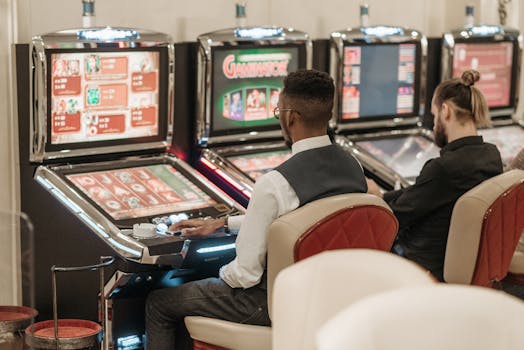
Casino slots are meticulously engineered to capture and maintain player attention, leveraging both visual and auditory stimuli, along with psychological tricks, to enhance engagement and encourage continuous play. Here’s a deeper look into how these elements are orchestrated:
- Visual Appeal
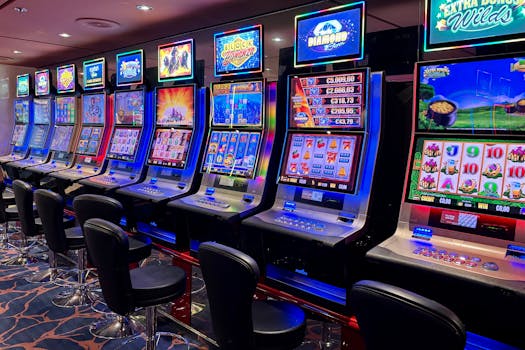
Slot machines are visual feasts. Bright, flashing lights and vibrant colors, such as reds and golds, immediately draw the eye, similar to how vivid colors in nature signal attraction. These colors are often associated with wealth and success, subtly suggesting the potential financial rewards of playing.
- Thematic Variety
Slots feature a wide array of themes, from nostalgic fruit machines to adventures and popular movie themes. This variety not only caters to different tastes but also taps into familiar narratives that reduce the psychological barriers to spending money, making the activity feel more like engaging entertainment than gambling.
.png)
- Sound Design
The auditory experience of slot machines is carefully crafted. The sound of coins dropping, celebratory music, and the mechanical sound of spinning reels all combine to create an environment of excitement and anticipation. These sounds can enhance the player’s emotional and psychological engagement, encouraging them to continue playing.
- Gameplay Dynamics
The mechanics of gameplay are designed to keep players on the edge of their seats. Techniques like near-misses, where reels stop just short of a winning combination, psychologically motivate players to keep playing, driven by the belief that a win is just around the corner.
- Reward Schedules
Slot machines use variable reward schedules, a strategy that makes the timing of rewards unpredictable. This unpredictability triggers frequent releases of dopamine, enhancing player engagement and even leading to addictive behaviors.
- Strategic Placement
In casinos, slot machines are strategically placed in high-traffic areas to catch the eye of passersby with their bright lights and captivating sounds. This placement ensures maximum visibility and draws players into the game as they walk by.
- Intuitive Interfaces
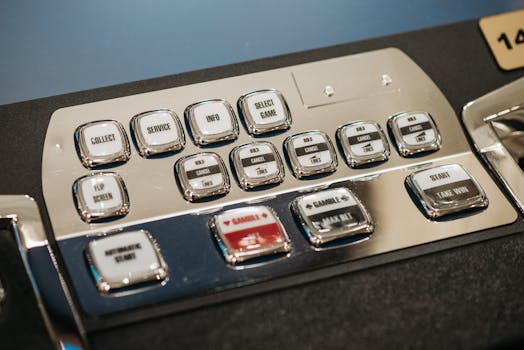
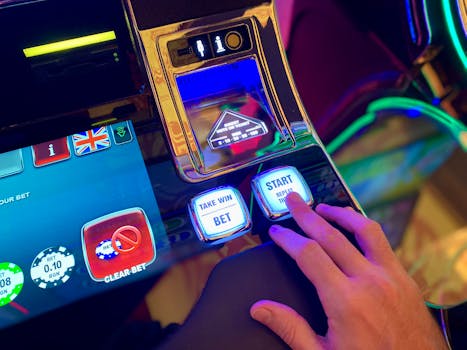
The user interfaces of slot machines are designed for ease of use. With clearly marked buttons and accessible features, they minimize cognitive load, allowing new players to engage with the game quickly and effortlessly, focusing on the gameplay rather than the mechanics of operation.
- Social Dynamics
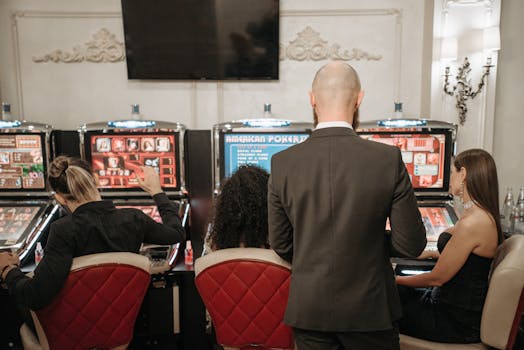
The arrangement of slot machines in casinos also fosters a communal gaming environment. By placing machines in circles or rows, players are subtly encouraged to engage with others, adding a competitive or communal element to the experience, which can enhance enjoyment and prolong play.
Conclusion
The design of casino slots is a sophisticated interplay of art, psychology, and technology, all crafted to maximize player attention and retention. From engaging visuals and sounds to clever gameplay mechanics and strategic placement, every element is designed to captivate and enchant. This intricate design not only highlights the allure of slot machines but also underscores their role as powerful tools in the gaming industry, designed to entertain and engage players in a profound way.