Slot machines are a staple of casinos worldwide, captivating millions of players both in physical venues and online. But what is it about these spinning reels, flashing lights, and cascading sounds that draw us in so powerfully? The answer lies deep within player psychology, a fascinating blend of human curiosity, behavioral patterns, and strategic game design. In this article, we’ll unravel the psychological factors that make slot machine games irresistible, exploring how our brains respond to these games and why we keep coming back for more.
The Allure of Unpredictability: Variable Rewards and the Brain
One of the most powerful psychological hooks in slot machine games is the concept of variable-ratio reinforcement. This is a principle borrowed from behavioral psychology, where rewards are given out at unpredictable intervals. Unlike a salary, where you’re paid the same amount at a regular time, slot machines don’t promise when—or if—a payout will occur.
B.F. Skinner, a pioneering psychologist, discovered in the 1950s that animals (and by extension, humans) are most motivated to repeat an action when the reward is unpredictable. Slot machines are expertly crafted around this insight. Each spin presents a tantalizing possibility of a win, no matter how small the odds.
.png)
Research shows that the unpredictability of slot machines activates the brain’s reward system, releasing dopamine—the same neurotransmitter involved in pleasure and addiction. A study from the University of Cambridge found that near-misses (when the reels almost land on a win) can actually trigger more excitement and motivation than a win itself. This explains why players often feel compelled to continue, believing that a big win could be “just one spin away.”
Designing for Engagement: Visuals, Sounds, and Sensory Appeal
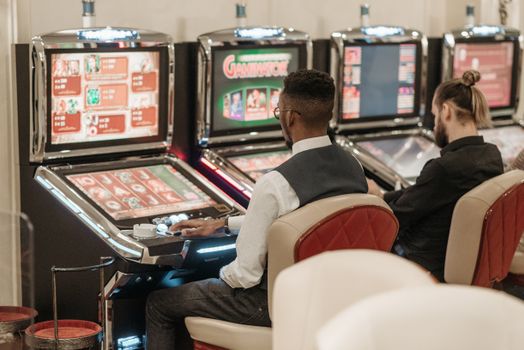
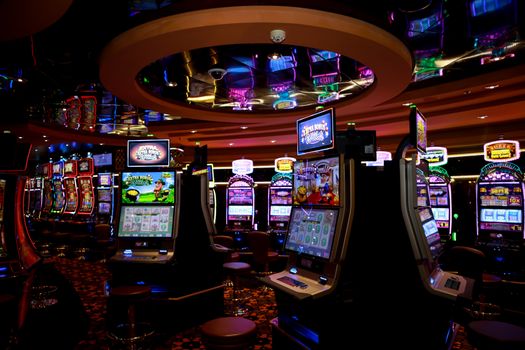
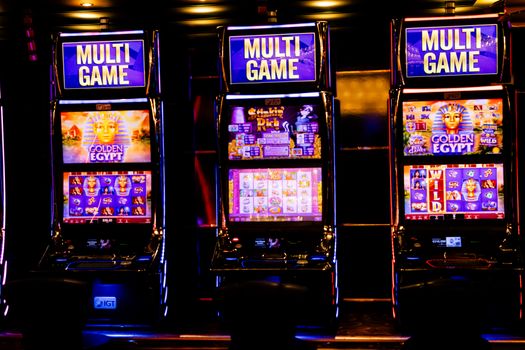
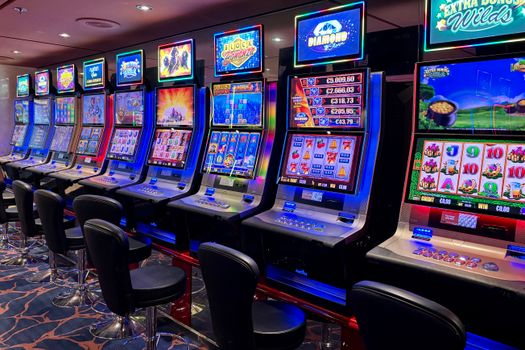
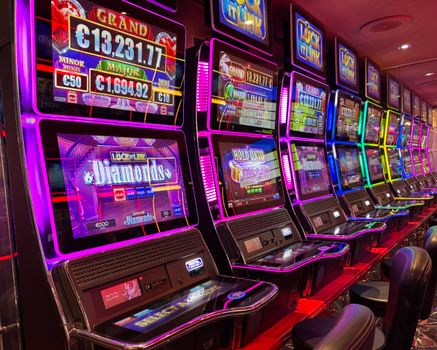
Slot machines are not just games of chance; they are meticulously designed entertainment experiences. Every aspect—from the color palette and graphics to the sound effects and tactile feedback—works together to create an immersive environment.
Casinos invest significant resources into the psychology of design. For example: - Bright colors like red and yellow are frequently used because they are associated with excitement and urgency. - Sound effects for wins, spins, and bonus rounds are engineered to trigger positive emotions. - Animated lights and celebratory music amplify the thrill of small wins.A 2021 report by the American Gaming Association states that 60% of casino visitors prefer slot machines over other games due to their engaging visual and audio features. Online slots have taken this further, offering interactive themes, storylines, and even branded content from popular movies and shows.
The table below summarizes key sensory elements and their psychological effects:
| Sensory Element | Psychological Effect | Example |
|---|---|---|
| Color Schemes | Stimulates excitement, draws attention | Red and gold hues on slot cabinets |
| Sound Effects | Triggers dopamine, reinforces wins | Coin drop sounds, jingles |
| Animations | Enhances immersion, makes wins memorable | Spinning reels, flashing lights |
| Haptic Feedback | Creates physical engagement | Vibrating buttons, touchscreen taps |
The Illusion of Control: Skill, Choice, and Player Agency
Despite being games of pure chance, slot machines often provide players with an illusion of control. This subtle psychological trick increases engagement and can keep players spinning longer.
Features that create this illusion include: - Allowing players to choose the number of lines to play or the size of their bet. - Bonus rounds where players select from multiple options, even though the outcome is pre-determined. - “Stop” buttons that give the impression that timing can influence the result.A 2019 study published in the Journal of Gambling Studies found that players who believe they have some influence over the outcome are more likely to play for extended periods. This sense of agency is powerful, even if it’s only perceived, not real.
Interestingly, slot machines with more interactive elements tend to be more popular. The simple act of pressing a button or tapping a screen creates a feeling of participation, reinforcing the player’s commitment to the game.
Chasing Losses: The Gambler’s Fallacy and Emotional Triggers
Another psychological factor that draws players to slot machines is the gambler’s fallacy—the belief that a win is "due" after a series of losses. This misconception can drive players to continue playing in the hope of recouping their losses, often resulting in longer play sessions and increased spending.
The emotional rollercoaster of wins and losses also plays a significant role. Small, frequent wins (known as “losses disguised as wins”) can trick the brain into feeling successful, even when the player is losing money overall. For example, if you bet $1 and win $0.50, the game may celebrate with fanfare and lights, making the loss feel like a win.
According to the National Council on Problem Gambling, 15% of regular slot players exhibit signs of problem gambling, compared to only 5% of table game players. This stark difference highlights how the structure and feedback loops in slot machines can manipulate emotions and encourage risky behaviors.
Social and Cultural Influences: Community, Status, and Rituals
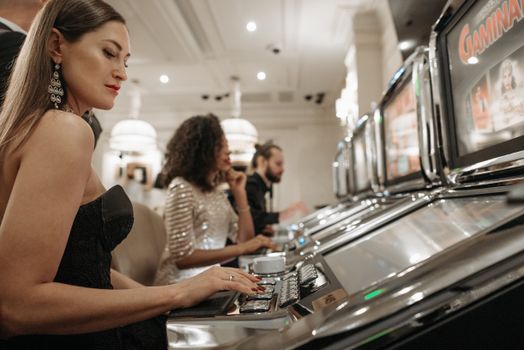
Slot machines are not just solitary pursuits; they are also social experiences. In many casinos, slot areas are arranged to encourage socialization, with players sharing tips, celebrating wins together, or participating in group tournaments.
Online slot communities have exploded in recent years, with forums, social media groups, and live-streamed slot play sessions attracting thousands of fans. These communities foster a sense of belonging and shared excitement, which can be deeply motivating.
Cultural attitudes toward gambling also play a role. In countries like Australia, where “pokies” are a common part of pub culture, slot machines are woven into social rituals. In the United States, slot machines account for approximately 70% of casino floor space, reflecting their popularity as a form of mainstream entertainment.
Comparing Slot Machine Appeal to Other Casino Games
While slot machines are the most popular form of casino gaming, it’s worth comparing their psychological appeal to other games like blackjack, poker, or roulette.
| Game Type | Main Psychological Hook | Skill Required | Social Interaction | Average Play Duration |
|---|---|---|---|---|
| Slot Machines | Variable rewards, sensory stimulation, illusion of control | Minimal | Low to moderate | 30-60 minutes |
| Blackjack | Strategy, skill, competition | High | Moderate to high | 20-40 minutes |
| Poker | Skill, psychological warfare, bluffing | Very high | High | 60+ minutes |
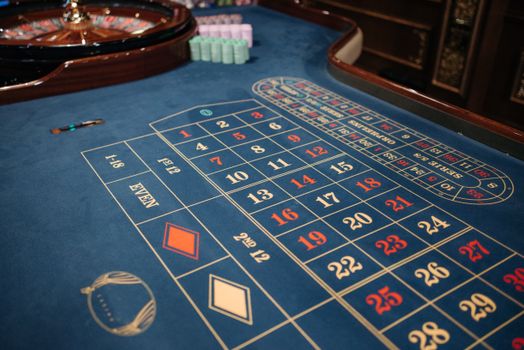
| Roulette | Chance, anticipation on spins | Minimal | Low to moderate | 15-30 minutes |
This comparison illustrates why slot machines are so universally appealing—they require no special skills, offer immediate and frequent feedback, and can be enjoyed solo or in groups. The psychological hooks are built for maximum accessibility and engagement.
Why Player Psychology Matters in Understanding Slot Machines
The irresistible pull of slot machines is no accident. Casino operators, game designers, and psychologists have spent decades perfecting the art and science of player engagement. By understanding the psychological mechanisms behind slot machine games, we gain insight into not only how these games work but also why so many people are drawn to them.
From unpredictable rewards and vibrant sensory design to the powerful illusion of control and social rituals, every aspect of slot machine gaming is engineered to appeal to our deepest psychological instincts. While most players enjoy slot machines as a harmless form of entertainment, it’s important to recognize the fine line between fun and potential harm, especially for those prone to problem gambling.
By shining a light on the psychology behind slot machine attraction, we empower ourselves to play mindfully, make informed choices, and better understand the fascinating interplay between technology, design, and human behavior.