The Psychology of Colors in Slot Machines: How Does It Affect Your Decision-Making While Playing?
Slot machines have fascinated casino-goers for well over a century, evolving from simple mechanical devices to dazzling digital experiences. While much attention is paid to features like jackpots, paylines, and bonus rounds, there’s a subtler, yet powerful, element at play: color. The psychology of colors in slot machines is a well-researched field that explores how hues and shades influence player emotions, behaviors, and—most importantly—decision-making. But how do these vibrant displays affect you at a subconscious level when you spin the reels? Let’s explore the science and real-world examples behind the colors that keep the slot world spinning.
The Science Behind Color Psychology in Gaming
Color psychology is the study of how colors affect human mood, behavior, and perception. This phenomenon has been leveraged by marketers and designers for decades, but its application in the casino industry is particularly sophisticated. Studies have found that up to 90% of snap judgments about products are based on color alone (Source: University of Winnipeg, 2014).
.png)
Slot machine designers use this knowledge to create captivating gamescapes that tap into players’ subconscious. For example, the color red is known to stimulate excitement and energy, while blue is associated with calmness and trust. When you walk into a casino or open a slots app, the carefully chosen color palette isn’t just for aesthetics—it’s a calculated effort to influence your mood and encourage prolonged play.
A 2017 study published in the Journal of Gambling Studies concluded that “visual stimuli, especially color, directly impact players’ arousal and risk-taking behavior.” In other words, the colors you see can literally change how you feel and the choices you make while playing.
How Specific Colors Influence Slot Machine Players
Different colors elicit different psychological responses. Slot machine developers and casino operators understand these effects and use them to craft unique gaming experiences. Here’s a closer look at some of the most commonly used colors and their psychological impacts:
Red: Often associated with excitement, passion, and urgency, red is a dominant color in many slot machines. It can increase heart rate and create a sense of anticipation, making players more likely to take risks and keep spinning.
Blue: Used to convey calmness and reliability, blue can make players feel more relaxed and comfortable. This helps maintain player engagement, especially in games meant for extended play sessions.
Green: Green is linked to luck, wealth, and renewal, making it a popular choice for slots with themes of prosperity or nature. It creates a positive, reassuring atmosphere.
Yellow/Gold: Associated with happiness and reward, gold and yellow hues are frequently used in jackpot and bonus round graphics to suggest wealth and celebration.
Purple: Purple combines the stability of blue and the energy of red, often symbolizing luxury, magic, and mystery. It can make a game feel special or exclusive.
These color choices aren’t arbitrary; each is selected to evoke particular emotions and influence your decision-making process, often nudging you to keep playing or increase your bets.
The Role of Color in Slot Machine Design: Examples and Case Studies
Let’s examine how leading slot machine manufacturers and online casinos incorporate color psychology into their games:
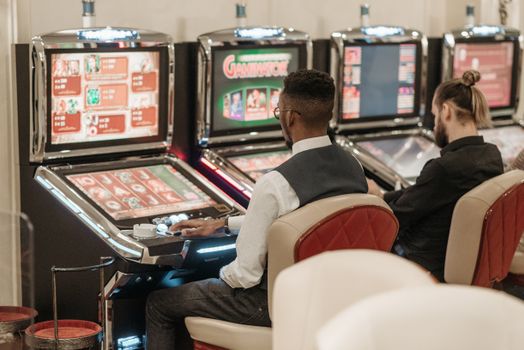
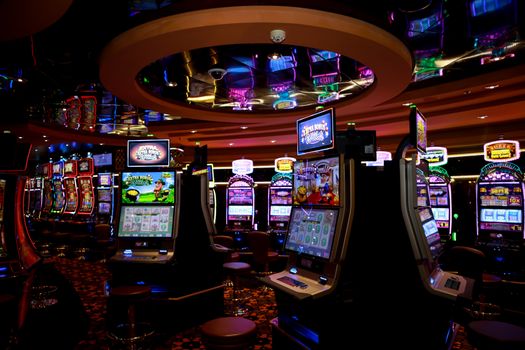
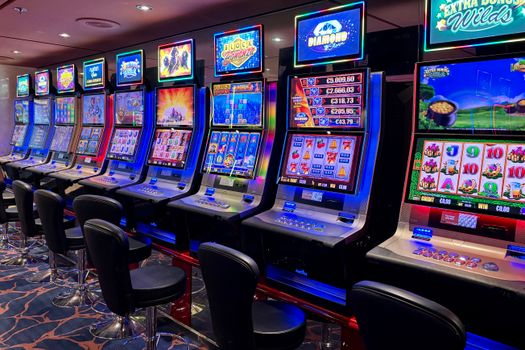
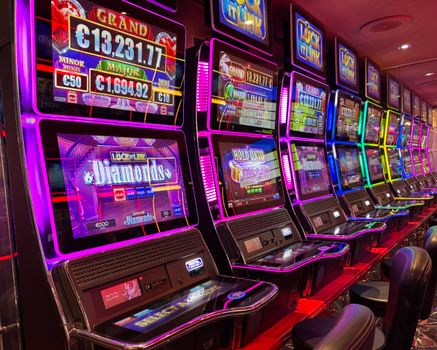
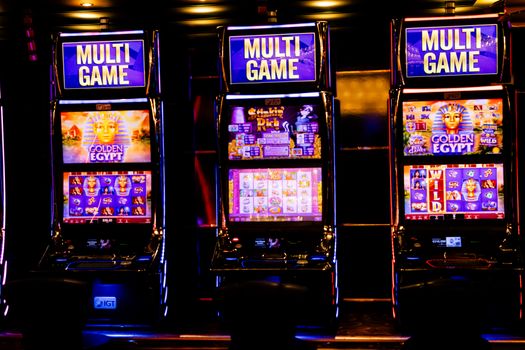
Physical Slot Machines: Walk through any major casino, and you’ll notice clusters of red and gold machines near entrances—colors proven to attract attention and symbolize good fortune. A 2018 study by the University of Nevada found that machines with bright red displays generated 12% more plays than those using cooler color schemes.
Online Slots: Digital slots take color integration to the next level. Developers like NetEnt and Microgaming use vibrant, animated colors to enhance themes. For example, the popular online slot “Gonzo’s Quest” uses lush greens and golden hues to reinforce its treasure-hunting motif, while “Starburst” employs a palette of blues and purples to evoke a cosmic, otherworldly feel.
Mobile Gaming Apps: The colors in mobile slots are optimized for small screens, often with high contrast and saturation, making them eye-catching and easy to navigate. Fast-paced games use dynamic color shifts to keep the player’s attention and signal important in-game events, such as bonus rounds or near-misses.
Color, Reward Systems, and Player Retention
The relationship between color and reward in slot machines goes beyond simple aesthetics. Color is integral to how players perceive wins, losses, and near-misses. For example, when you hit a bonus or jackpot, the machine may flash gold and red lights, accompanied by celebratory sounds. This sensory combination is designed to trigger a dopamine rush, reinforcing the desire to keep playing.
Interestingly, even near-misses—when you come close to a win—are often highlighted with colors like yellow and red, creating a sense of “almost winning” that encourages continued play. According to a 2019 report by the British Gambling Commission, near-miss events increased session time by 18% on average, in part due to their stimulating color cues.
Player retention strategies also leverage color. Loyalty programs and in-game achievements are often presented with badges or icons in appealing colors, such as gold for VIP status or green for level-ups, making players feel valued and motivated to return.
Color Preferences Across Cultures and Demographics
The effectiveness of color psychology in slot machines can vary depending on cultural and demographic factors. For instance, red is considered lucky and prosperous in China, making it a dominant color in games targeted at Asian markets. In Western cultures, blue is associated with trust and stability, which is why many online casinos use blue in their branding.
Age also plays a role. Younger players may be drawn to neon colors and high-contrast visuals, while older audiences often prefer softer, more traditional palettes. Gender can influence preferences as well: research by Kissmetrics found that women tend to favor purple and green, while men are more responsive to blue and black.
Here’s a comparative table summarizing color preferences by region and demographic:
| Color | Associated Emotion | Popular Region/Demographic | Example Usage |
|---|---|---|---|
| Red | Excitement, Luck | Asia, Younger Players | Jackpots, Main Game UI |
| Blue | Trust, Calm | Western Markets, Older Players | Backgrounds, Logos |
| Green | Wealth, Renewal | Global, Female Players | Bonus Games, Level-Ups |
| Gold/Yellow | Reward, Celebration | Universal | Jackpot Wins, Achievements |
| Purple | Luxury, Mystery | Women, Luxury Brands | High-Roller Games, Special Events |
Ethical Considerations: Is Color Manipulation Fair?
The use of color psychology in slot machines raises important ethical questions. While the intent is often to enhance entertainment and engagement, there’s a fine line between fun and manipulation. Regulatory bodies in the UK and Australia have started to scrutinize the use of visual stimuli, including color, in promoting potentially addictive behaviors.
Casinos argue that vibrant colors are part of the entertainment value, but critics say that exploiting psychological triggers can lead to problem gambling. A 2021 survey by the National Council on Problem Gambling found that 34% of respondents believed that the design of slot machines—including color schemes—played a role in their gambling frequency.
Responsible game design increasingly calls for transparency and tools for player control, such as color-blind options and customizable interfaces. Some online platforms now allow players to turn off certain visual effects, giving more autonomy over their gaming experience.
Understanding the Impact of Color Psychology on Your Slot Play
The next time you play a slot machine—whether in a buzzing casino or on your smartphone—take a moment to notice the colors around you. Are you drawn to a particular machine because of its vibrant red lights? Do you feel more relaxed spinning the reels of a blue-themed game? These reactions are not accidental; they are the result of deliberate choices made by designers armed with decades of psychological research.
By being aware of the psychological tricks at play, you can make more informed decisions about your gaming habits. Understanding how color affects your mood and choices is a step toward enjoying slot machines as a form of entertainment, without falling prey to unconscious influences that may lead to overspending or compulsive play.