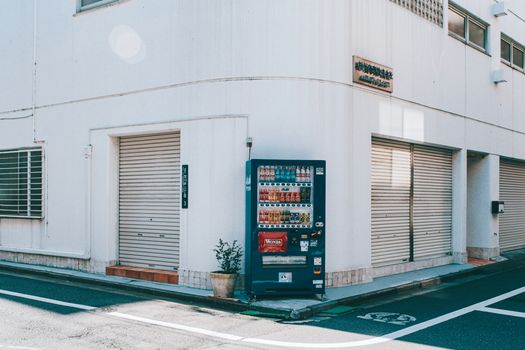
Vending machines have been a staple of modern convenience for decades, offering everything from snacks and drinks to toiletries and electronics. But in 2024, these automated dispensers are undergoing a remarkable transformation. Driven by technological innovation, evolving consumer expectations, and global trends, vending machines are becoming smarter, more versatile, and far more interactive. Whether you’re a business owner, a tech enthusiast, or simply someone who values grab-and-go convenience, understanding the new directions vending machines are taking can offer unique insights into the future of retail and automation.
The Smart Revolution: IoT and AI in Modern Vending Machines
One of the most significant changes in vending machines in 2024 is the widespread adoption of Internet of Things (IoT) and artificial intelligence (AI) technologies. Modern vending machines are no longer isolated units—they are now interconnected, collecting and analyzing data in real-time to enhance performance and customer experience.
IoT-enabled vending machines can monitor inventory levels, predict restocking needs, and even send automatic alerts to operators when products run low or when maintenance is required. According to a 2023 report from MarketsandMarkets, the global smart vending machine market is projected to reach $15.6 billion by 2027, growing at a compound annual growth rate (CAGR) of 10.9% from 2022.
.png)
AI is playing a crucial role in personalizing the customer experience. Some machines use facial recognition or smartphone integration to recommend products based on previous purchases or even the time of day. AI-driven dynamic pricing is another trend, adjusting prices in real-time based on demand, expiration dates, or inventory levels—similar to the algorithms used for ride-sharing or airline tickets.
Beyond Snacks: Expanding Product Offerings and Services
While snacks and beverages remain the most common vending machine staples, 2024 is witnessing a dramatic expansion in the range of products available. Today’s vending machines can dispense everything from fresh salads and hot pizzas to electronics, beauty products, and even COVID-19 test kits.
In Japan, which has the highest per capita concentration of vending machines (over 4 million units nationwide), consumers have long enjoyed unique offerings like umbrellas, t-shirts, and even fresh eggs. This trend is now spreading globally, with North America and Europe rapidly catching up. For example, in London, vending machines at train stations now offer phone chargers, face masks, and organic snacks, catering to busy commuters’ needs.
A notable innovation is the rise of “micro-markets”—unattended, self-service retail spaces that use vending machine technology to offer a broader selection of fresh and packaged products. According to the National Automatic Merchandising Association (NAMA), the total micro-market locations in the U.S. grew from 10,000 in 2016 to over 35,000 by 2023, a 250% increase in less than a decade.
Contactless Payments and Seamless Transactions
The COVID-19 pandemic accelerated the shift towards cashless and contactless payments, and vending machines have quickly adapted. In 2024, nearly all new vending machines come equipped with multiple payment options, including credit/debit cards, mobile wallets (Apple Pay, Google Pay), QR codes, and even cryptocurrencies.
According to Statista, in 2023, 65% of all vending machine transactions in the United States were cashless, compared to just 38% in 2017. This shift is not only more convenient for consumers, but it also reduces vandalism and theft, and streamlines accounting for operators.
Some machines now offer full integration with loyalty programs, allowing customers to collect points, redeem rewards, or get personalized discounts—all through a tap or scan. The frictionless payment experience is crucial for winning over younger, tech-savvy consumers who expect convenience at every step.
Sustainability: Eco-Friendly Innovations in Vending
As environmental concerns grow, the vending machine industry is responding with a wave of green innovations. Many next-generation machines are built with energy-efficient compressors, LED lighting, and smart sensors that reduce power consumption during low-traffic periods.
Recyclable packaging, biodegradable cups, and refillable product options are becoming more common. For example, Coca-Cola introduced a vending machine in Tokyo that dispenses drinks in reusable bottles, which can be returned and sanitized for reuse. Similarly, snack vending machines in eco-conscious cities like Amsterdam now feature compostable wrappers and encourage recycling by offering discounts for returned containers.
A growing number of vending machines are also solar-powered, making them suitable for outdoor and off-grid locations. According to a 2023 study by Grand View Research, demand for solar-powered vending machines is growing at a rate of 8% per year, especially in regions with limited access to stable electricity.
Interactive Experiences and Customization
Perhaps the most exciting trend in 2024 is the push toward interactive and customizable vending experiences. Touchscreen displays, augmented reality (AR), and even voice-activated interfaces are turning passive transactions into engaging micro-experiences.
Some machines allow customers to customize their purchases in real time: for example, mixing and matching snack flavors, adjusting drink sweetness, or selecting toppings for a freshly made pizza. In South Korea, a popular “robot barista” vending machine prepares customized coffee drinks, with over 1,000 possible combinations, and delivers them in under a minute.
Machines equipped with AR displays can provide nutritional information, promotional games, or even virtual “try-ons” for cosmetics or accessories before purchase. These features not only attract attention in crowded spaces but also deliver valuable marketing data to operators.
Comparison: Traditional vs. Modern Vending Machines in 2024
To better understand how vending machines have evolved, let’s compare traditional and modern vending machines across key dimensions:
| Feature | Traditional Vending Machines | Modern Vending Machines (2024) |
|---|---|---|
| Payment Options | Cash, coins only | Contactless, mobile, cards, crypto |
| Product Range | Snacks, sodas | Fresh foods, electronics, services, health products |
| Technology | Mechanical, limited sensors | IoT, AI, AR, touchscreens |
| Inventory Management | Manual checks | Real-time, automated alerts |
| Energy Efficiency | Standard lighting, always-on | LEDs, smart sensors, solar power |
| Customer Engagement | None | Loyalty programs, gamification, customization |
| Sustainability | Single-use packaging | Compostable, reusable, refillable options |
The Future Outlook: Where Are Vending Machines Headed?
With the rapid pace of innovation in 2024, the vending machine industry is poised for even greater changes in the next few years. Analysts predict that by 2026, AI-driven vending machines will account for more than 30% of new deployments worldwide. The integration of biometric authentication, such as fingerprint or facial recognition, may soon replace traditional payment methods altogether.
The rise of hyper-local vending—machines offering products sourced from within a specific community or region—is another trend to watch. These machines support small businesses and offer fresher, more relevant products to local customers.
In the age of personalization, expect vending machines to further blur the line between retail and experience, offering everything from on-demand 3D printing to telemedicine consultations. As the technology continues to evolve, vending machines are likely to become an even more integral part of our daily lives, seamlessly blending convenience, sustainability, and innovation.