What Makes Casino Slots So Addictive: A Psychological Perspective
The bright lights, the ringing bells, and the irresistible spinning reels—casino slots have an undeniable allure that draws millions of players worldwide. Whether in lavish Las Vegas halls or on the glowing screens of smartphones, slot machines are the most popular casino games by far. But what lies beneath their glittering surface is a sophisticated design rooted deeply in psychology. Understanding why slots are so addictive reveals a fascinating interplay between human behavior, brain chemistry, and clever game engineering.
The Science of Slot Machine Appeal: How Our Brains Get Hooked
Slot machines aren’t just popular by chance; they are meticulously engineered to tap into the human brain’s reward system. When a player pulls the lever or taps the spin button, their brain releases dopamine—the “feel-good” neurotransmitter associated with pleasure and reward. This chemical rush isn’t unique to winning; research shows that even near-misses or small wins can trigger similar dopamine spikes.
A 2013 study led by Dr. Luke Clark at the University of Cambridge found that near-miss outcomes on slot machines activated the same brain regions as actual wins. This means players can get hooked on the chase, not just the prize. According to the American Gaming Association, approximately 60 million Americans play slot machines each year, demonstrating their widespread appeal and potential for addiction.
.png)
The unpredictability of outcomes, paired with intermittent rewards, mirrors the psychological principle known as “variable ratio reinforcement.” This is the same principle that makes gambling—and even checking our smartphones—so compelling. The uncertainty of when the next reward will come keeps players engaged and coming back for more.
Design Secrets: Visuals, Sounds, and Surprises
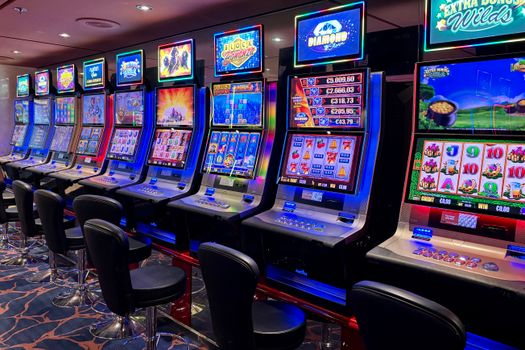
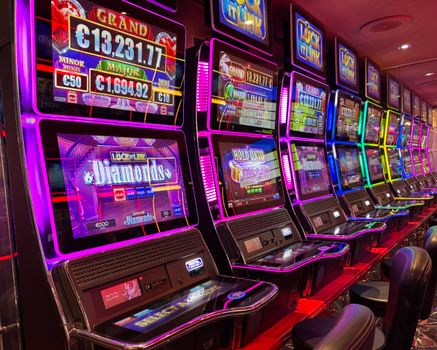
Every aspect of a slot machine’s design is carefully crafted to maximize engagement. The vibrant colors, flashing lights, and celebratory sounds are not just for show; they are psychological tools designed to create excitement and anticipation.
Sound effects, for example, are proven to enhance the gambling experience. A study published in the journal “International Gambling Studies” found that players rate their experiences as more enjoyable and immersive when slot machines feature upbeat music and celebratory jingles, even after small wins. In some cases, casinos have reported a 10% increase in time spent on slot machines after upgrading their sound and visual effects.
Moreover, the “near-miss” effect is often enhanced through design. Some machines deliberately show two winning symbols on a payline, with the third just above or below the line, making it seem as if a win was almost within reach. This illusion of almost winning motivates players to keep spinning, convinced that a big win is just one more play away.
The Power of “Losses Disguised as Wins”
One of the most influential psychological tricks used in slot design is the concept of “losses disguised as wins” (LDWs). This occurs when a player’s spin results in a payout that is less than their original bet, yet the machine celebrates with lights and sounds as if a significant win has occurred.
For example, a player might bet $1 per spin and receive a $0.40 payout. Despite actually losing $0.60, the machine treats it as a victory. A 2011 study from the University of Waterloo found that LDWs can lead players to overestimate how often they are winning, fostering a sense of excitement and encouraging further play.
This psychological manipulation is significant. According to research by Dr. Mike Dixon, slot players exposed to LDWs spent 30% more time on machines and placed more bets compared to those who played slots without LDWs. The celebratory feedback for even minor events blurs the line between winning and losing, making it harder for players to keep track of their actual gains and losses.
Comparing Slot Machine Payout Structures: How “Wins” Are Engineered
To better understand how slot machines maintain player engagement, consider the differences in payout structures and how they influence behavior. The following table compares three common slot payout scenarios:
| Scenario | Bet Amount | Payout | Player Perception | Psychological Effect |
|---|---|---|---|---|
| Big Win | $1.00 | $10.00 | Major victory, memorable | Strong dopamine spike, positive reinforcement |
| Loss Disguised as Win | $1.00 | $0.40 | Feels like a win (celebratory sounds) | Confuses win/loss tracking, increases play time |
| Complete Loss | $1.00 | $0.00 | Defeat, no feedback | Mild disappointment, but offset by anticipation of future win |
This table illustrates how different outcomes are framed to manipulate player emotions. The most common outcome—small losses or LDWs—still feels rewarding, reinforcing the cycle of play.
The “Zone”: Flow State and Escapism in Slot Play
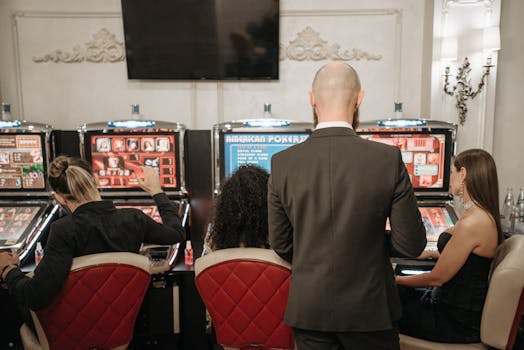
Many players report entering a trance-like state while playing slots, commonly referred to as “the zone.” In this state, time seems to disappear, and players become fully absorbed in the game, blocking out external concerns and distractions. This phenomenon is deeply linked to the psychological concept of “flow,” where people lose themselves in an activity that is both challenging and rewarding.
Slot machines are designed to facilitate this state. Their fast-paced, repetitive gameplay and continuous feedback loop create an environment where players can escape stress, boredom, or negative emotions. In a 2009 survey of regular slot players, 70% said they play primarily to “zone out” or “escape reality,” rather than to win money.
This escapism can become problematic for vulnerable individuals. A 2010 study published in the journal “Addiction” found that slot machine addiction rates are nearly twice as high as those for other forms of casino gambling, such as table games or sports betting. The immersive nature of slots, combined with their rapid play speed (as many as 600 spins per hour), makes them particularly risky for those prone to compulsive behavior.
Personalization and Adaptive Mechanics: The New Frontier
Advancements in technology have allowed slot machines—especially online slots—to become even more addictive through personalization. Modern digital slots can track player behavior, adapt game features in real time, and offer tailored rewards to maximize engagement.
For example, if a player tends to play longer sessions, the game might increase the frequency of small wins or near-miss events to keep them engaged. Some online casinos use algorithms to analyze when a player is likely to stop playing and then trigger bonus features to entice them to stay.
This level of personalization is striking. In 2022, the global online gambling market was valued at over $81 billion, with slots accounting for nearly 70% of total online casino revenue. The ability to customize player experiences is a key reason for this explosive growth.
Some jurisdictions are beginning to regulate these practices, requiring transparency and imposing limits on adaptive game mechanics. However, the psychological pull of personalized slots remains a potent force in the industry.
Final Thoughts: Understanding the Addictive Power of Slots
Casino slots are far more than simple games of chance. They are the product of decades of research in psychology, neuroscience, and behavioral economics, all aimed at keeping players spinning the reels. From the strategic use of lights and sounds to the subtle manipulation of near-misses and “losses disguised as wins,” every element is designed to maximize engagement and trigger the brain’s reward system.
The result is a form of entertainment that can be thrilling and fun in moderation, but potentially dangerous for those at risk of addiction. Awareness of the psychological tricks behind slot machines can empower players to make more informed decisions and encourage responsible gaming habits. With slots continuing to evolve in the digital age, understanding their psychological appeal is more important than ever.