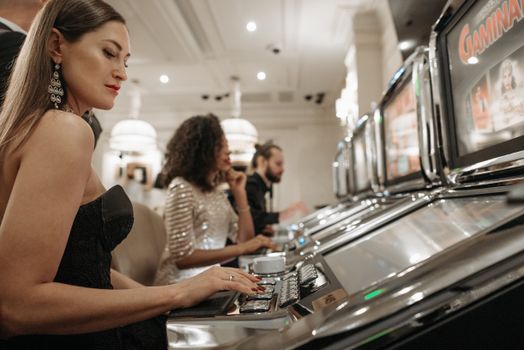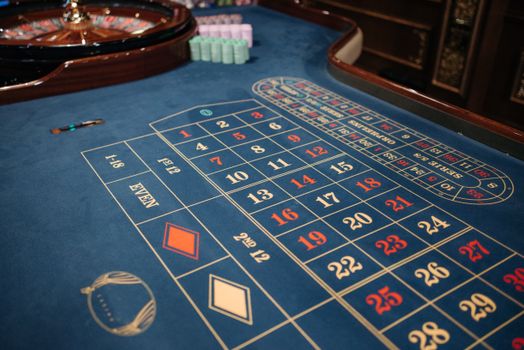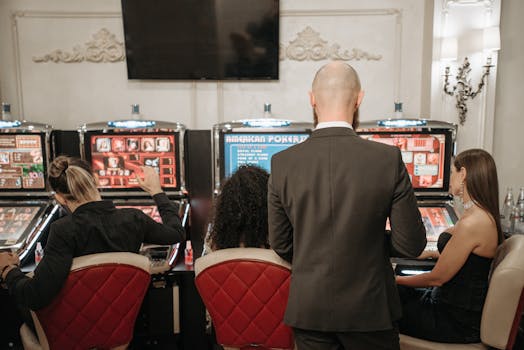
Slot machines have long been at the heart of both land-based and online casinos, captivating millions of players with their flashing lights, catchy sounds, and promises of life-changing jackpots. But with their popularity comes a wealth of myths, half-truths, and misconceptions about how these games really work. From the belief that machines are "due" for a win to the idea that certain times of day are luckier, these myths shape how people approach slot machines—and often lead to disappointment. In this article, we’ll separate fact from fiction, giving you a clear-eyed view of what’s true and what’s not when it comes to playing slot machines.
The Myth of "Hot" and "Cold" Slot Machines
One of the most persistent beliefs among slot players is that machines can be "hot" (on a winning streak) or "cold" (unlikely to pay out). This myth often fuels the strategy of hopping from machine to machine, looking for one that’s "ready" to pay out. But does this idea hold up?
The reality is that modern slot machines, both in physical casinos and online, use Random Number Generators (RNGs) to determine each spin’s outcome. An RNG is a computer algorithm that generates thousands of number combinations every second—even when the machine isn’t being played. When you press the spin button, the RNG selects the result for that exact moment. This means each spin is completely independent of the previous or next spin.
.png)
In 2020, the American Gaming Association reported that over 2,000 casinos worldwide use RNG-driven slots, ensuring fair play and unpredictability. No matter how long a machine has gone without a payout, its chance of hitting a jackpot remains exactly the same on every spin. The concept of a slot being "due" simply isn’t supported by the technology behind the games.
Timing Myths: Does Playing at Certain Hours Make You Luckier?
Another common myth suggests that your chances of winning improve at specific times of day. Some believe slots are "looser" during late-night hours or on weekends to attract more players. Others think payouts coincide with casino events or holidays. But is there any truth to these timing theories?
Again, the answer lies in the RNG technology. Because each spin is random and independent, the time of day, day of the week, or even how busy the casino is has no impact on your chances. Regulatory bodies like the UK Gambling Commission and the Nevada Gaming Control Board require strict compliance with fairness standards and regular audits. In Las Vegas alone, there are over 160,000 slot machines, all governed by RNG algorithms that make timing-based strategies irrelevant.
While casinos may use promotions or bonuses at specific times to encourage play, the underlying odds of the slot machines themselves do not change. The idea that you can "beat the system" by playing at a certain hour is simply a myth.
Bet Size and Payouts: Does Betting More Increase Your Chances?
It’s a common belief that betting higher amounts increases your chances of hitting a jackpot or getting better payouts. While there’s a kernel of truth here—especially with progressive jackpot slots—the overall odds are more nuanced.
Many slot machines structure their jackpots so that only the maximum bet qualifies for the top prize. For example, some progressive slots like Megabucks or Wheel of Fortune only pay the full jackpot if you bet the maximum number of credits. In 2019, a lucky player won a $13.2 million Megabucks jackpot at the Sunset Station Casino in Las Vegas with a max bet.
However, for most standard slots, increasing your bet size doesn’t change the odds of winning on a spin; it simply means you’ll win more if you do hit a payout. The return-to-player (RTP) percentage—a key statistic for any slot—remains the same regardless of your bet size. For instance, a machine with a 96% RTP will pay out 96 cents for every dollar wagered over time, no matter how much you bet per spin.
Here’s a quick comparison of how bet size may impact payouts in different slot types:
| Slot Type | Does Bet Size Affect Jackpot Eligibility? | Does Bet Size Affect RTP? | Example |
|---|---|---|---|
| Progressive Jackpot Slots | Yes (max bet often required) | No | Megabucks, Wheel of Fortune |
| Fixed Jackpot Slots | No | No | Book of Ra, Starburst |
| Multi-line Video Slots | Sometimes (more lines = higher chance of small wins) | No | Buffalo, Cleopatra |
Manipulating the Results: Can You Influence a Slot Machine's Outcome?
Movies and urban legends often suggest that slot machines can be "tricked" or manipulated—either by using a special technique, device, or by timing your spin just right. Tales abound of players who claim to have "cracked the code" or found a secret button sequence. But is there any reality to these stories in the age of digital gaming?
In truth, modern slot machines are designed with advanced security and anti-cheating measures. Tampering with a slot machine is not only illegal but also virtually impossible with today’s technology. Any attempt to interfere with the internal workings of a slot is quickly detected by casino surveillance and can lead to hefty fines or criminal charges.
For online slots, the games are hosted on secure servers and audited by independent agencies like eCOGRA and iTech Labs. Their algorithms are thoroughly tested for randomness and fairness. In 2022, over 95% of top-rated online casinos displayed certification from at least one independent auditor. The only legitimate way to influence a slot’s outcome is to choose your bet size and spin—everything else is left to chance.
Location Myths: Are Some Slots "Luckier" Than Others?
Walk through any casino, and you’ll hear seasoned gamblers debate which machines are the "loosest." Some say slots positioned near entrances or in high-traffic areas are programmed to pay out more often, attracting passersby with the sound of frequent wins. Others suggest that hidden machines in the back corners are more generous.
While casinos may place popular or visually appealing machines in strategic locations, the idea that these slots have inherently better odds is a myth. Regulatory standards require that payout percentages and RNG fairness are consistent across all machines of the same type and denomination, regardless of location.
That said, casinos do use psychological tactics in their floor layouts. For example, they may group high-volatility slots together to create clusters of big wins, encouraging excitement. However, this is about player perception, not actual changes in the odds. A 2018 study by the University of Nevada, Las Vegas found no statistically significant difference in payout percentages based on machine location within casinos.
Myths About Near Misses and "Skill Stops"
Another widespread misconception is that "near misses"—for example, when two jackpot symbols land on the payline and the third just misses—mean you’re close to winning or that the machine is about to pay out. Some believe that pressing the "stop" button at the right moment can influence the outcome.
In reality, near misses are built into slot machine design to heighten excitement, but they don’t affect your odds. The outcome is already determined by the RNG the moment you press "spin." Stopping the reels early or late only affects the animation, not the result. In fact, a 2015 study published in the Journal of Gambling Studies found that near misses increased player engagement but did not predict future wins.
Final Thoughts on Slot Machine Myths: Playing With Knowledge
Slot machines are games of pure chance, governed by strict regulations and sophisticated technology. While the myths and stories that surround these games can be entertaining, believing them can lead to poor decisions and unrealistic expectations. The best approach is to view slots as entertainment, not as a reliable way to make money or "beat the system."
Knowing the facts—like the role of RNGs, the impact of bet size, and the reality behind location and timing myths—empowers you to play responsibly. Remember, the odds are always in favor of the house, and no amount of strategy or superstition can change that. Enjoy the thrill of the game, set your limits, and don’t fall for the myths.