Slot machines have long been a symbol of excitement and chance in casinos worldwide. From the first mechanical “one-armed bandits” to today’s immersive, interactive video slots, the evolution of slot machines mirrors broader trends in technology, entertainment, and society itself. This journey spans more than a century and reveals just how much innovation and cultural change can be packed into a simple spin of the reels. Let’s explore how slot machines evolved from their humble mechanical origins to the dazzling digital experiences found in modern casinos and online platforms.
The Birth of Classic Slot Machines: Simplicity and Mechanical Magic
The story of slot machines begins in the late 19th century. In 1895, Charles Fey, a San Francisco mechanic, invented what is widely considered the first true slot machine: the Liberty Bell. This machine featured three spinning reels, each adorned with five symbols — horseshoes, diamonds, spades, hearts, and the Liberty Bell — and a single payline. To play, users inserted a coin and pulled a lever, setting the reels in motion.
Classic slot machines like the Liberty Bell were entirely mechanical. Winning combinations triggered a simple, automatic payout mechanism. These early slots became immensely popular, spreading rapidly throughout bars and saloons. By 1908, Herbert Mills introduced the Operator Bell, which replaced the original symbols with fruits like cherries and lemons — a design that endures in classic slots to this day.
.png) Key facts about classic slot machines:
- The Liberty Bell could pay out a maximum of 50 cents.
- By 1900, mechanical slots were found in nearly every bar in San Francisco.
- Early machines often paid out in prizes like gum or drinks, sidestepping gambling laws.
Key facts about classic slot machines:
- The Liberty Bell could pay out a maximum of 50 cents.
- By 1900, mechanical slots were found in nearly every bar in San Francisco.
- Early machines often paid out in prizes like gum or drinks, sidestepping gambling laws.
Electromechanical Advancements: The Rise of the “One-Armed Bandit”
The next major leap in slot machine evolution came in the mid-20th century with the introduction of electromechanical components. In 1963, Bally Technologies released the Money Honey, the first fully electromechanical slot machine. While players still pulled a lever, the internal workings had shifted from gears and springs to electrical circuitry, allowing for more complex gameplay and larger jackpots.
This innovation made it possible to offer multi-coin bets, flashing lights, and automatic payouts of up to 500 coins. The lever, now mostly a nostalgic feature, remained for user familiarity — hence the enduring nickname “one-armed bandit.”
Advancements during this era included: - Hopper technology to handle bigger, faster payouts. - The addition of sound effects and spinning lights for increased excitement. - The first machines with multiple paylines and bonus features.By the 1970s, slot machines had become the leading revenue generator in American casinos, overtaking table games like blackjack and roulette. In fact, by 1976, slot machines accounted for nearly 70% of casino floor space in Las Vegas.
The Digital Revolution: Video Slots and Software-Based Play
The 1980s brought the most radical transformation yet: the introduction of video slot machines. The first true video slot was developed by Fortune Coin Co. in 1976, using a modified 19-inch Sony TV for the display. But it wasn’t until the 1980s, as computer technology became more affordable and reliable, that video slots gained widespread acceptance.
Video slots revolutionized gameplay by replacing physical reels with virtual ones displayed on a screen. This opened the door to a host of new features, such as animated graphics, interactive bonus rounds, and themed games based on movies, TV shows, and pop culture icons.
Key facts and figures: - By the mid-1990s, video slots represented over 70% of all slot machines in major casinos. - Video slots enabled the use of random number generators (RNGs), ensuring truly random outcomes and greater fairness. - Themed slots, such as “Wheel of Fortune,” attracted new audiences and boosted casino revenues.As the technology developed, video slots began offering up to 100 paylines, wild and scatter symbols, and progressive jackpots that could reach millions of dollars. These innovations made slot play more engaging and visually appealing than ever before.
From Casinos to Smartphones: The Online and Mobile Slot Boom
The dawn of the internet era in the late 1990s and early 2000s brought yet another revolution: online and mobile slots. Developers such as Microgaming and NetEnt quickly adapted slot games for digital platforms, allowing players to spin the reels from the comfort of their own homes.
Online slots mirrored the features of their casino counterparts but offered even greater variety and innovation. With no physical constraints, developers could design slots with unique mechanics, dazzling animations, and immersive storylines.
By 2020, mobile gaming had become the dominant force in the global gambling market. According to Statista, the online gambling market was valued at $66.7 billion in 2020, with slots accounting for approximately 70% of all online casino revenue. The convenience of playing on smartphones and tablets, combined with constant innovation, has made modern slots more accessible and engaging than ever before.
Notable milestones: - The first online casino launched in 1996. - Over 20,000 different online slot titles are available as of 2024. - Mobile slots now generate more revenue than desktop-based slots in many markets.Modern Video Slots: Features, Innovation, and Player Experience
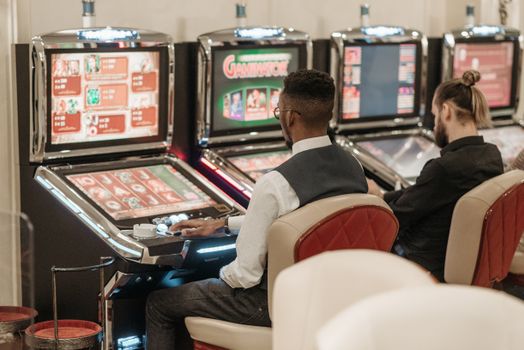
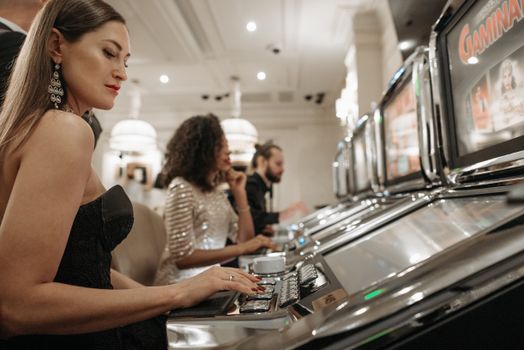
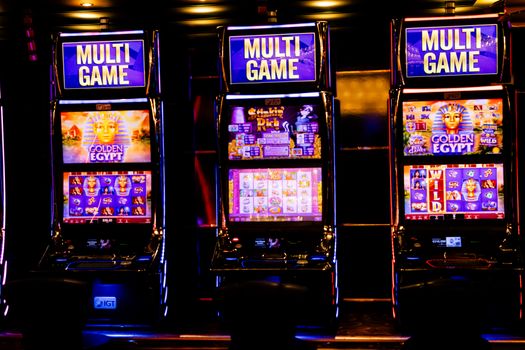
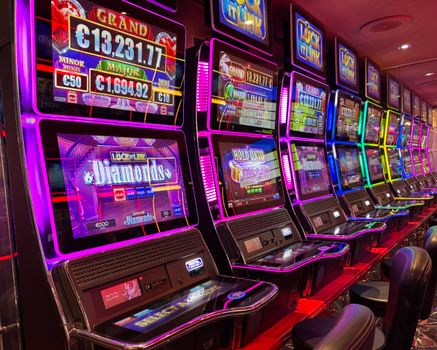
Modern video slots are a far cry from the simple machines of old. Today’s games offer an array of features designed to captivate and retain players. These include high-definition graphics, cinematic sounds, 3D animations, and interactive bonus games. Many slots incorporate elements from video gaming, such as skill-based features, achievements, and story-driven missions.
Some of the most popular modern slot features include: - Progressive jackpots that pool contributions from multiple players, sometimes reaching tens of millions of dollars (the largest online slot jackpot ever paid was over €19 million on Mega Moolah in 2021). - Megaways mechanics, offering up to 117,649 ways to win on a single spin. - Branded slots based on franchises like “Game of Thrones,” “Jurassic Park,” and “Gonzo’s Quest.”The experience has also become more social, with online tournaments, leaderboards, and real-time chat features. Today’s slots are designed not just for gambling, but for entertainment — blurring the lines between casino play and mainstream video gaming.
Comparing Classic vs. Modern Slot Machines: A Data Overview
To better illustrate the dramatic evolution of slot machines, here’s a comparison table highlighting key differences between classic and modern video slots:
| Feature | Classic Slot Machines | Modern Video Slots |
|---|---|---|
| Reels | 3 mechanical reels | 5+ virtual reels |
| Paylines | 1 fixed payline | Up to 117,649 ways to win |
| Payout Mechanism | Mechanical, coin payout | Digital credits, electronic payouts |
| Betting Options | Single coin, fixed bet | Multiple coins, adjustable bets |
| Bonus Features | Rare or none | Bonus rounds, free spins, multipliers |
| Graphics & Sound | Basic mechanical sounds | HD graphics, cinematic audio |
| Themes | Simple (fruits, bells) | Branded, movie, adventure themes |
| Accessibility | Physical casinos only | Casinos, online, and mobile |
Why the Evolution of Slot Machines Matters
The transformation of slot machines from simple mechanical devices to sophisticated digital experiences is more than a story of technological progress. It reflects changing player preferences, advances in entertainment, and the growing influence of technology on leisure activities. Today’s players demand more than just a chance to win — they seek excitement, engagement, and novelty. Slot developers respond with ever more creative features, ensuring that the humble slot machine remains at the heart of the casino experience.
This evolution also brings new challenges and opportunities. As slots become more accessible and engaging, concerns about responsible gambling and player protection have grown. Regulatory bodies and developers now use advanced algorithms and data analytics to monitor play and promote safer gaming environments.
Looking ahead, trends such as virtual reality (VR) slots, blockchain-based games, and artificial intelligence-driven personalization will likely shape the next era of slot machine development. The journey from the Liberty Bell to today’s digital marvels shows no signs of slowing down.