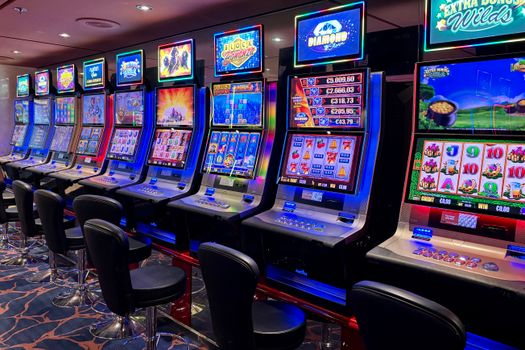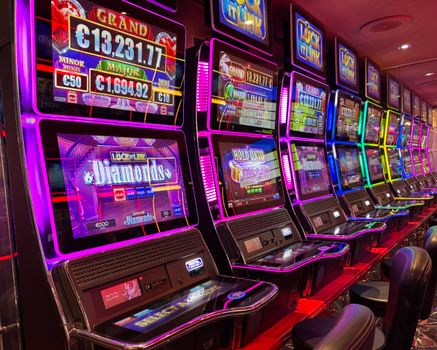
Slot machines are engineered to be exciting, immersive, and, for many, an entertaining way to spend time and perhaps win a bit of money. But for some players, what starts as harmless fun can drift into a harmful pattern of compulsive gambling. Slot machine addiction, also known as "problem gambling" or "gambling disorder," affects millions worldwide. According to the National Council on Problem Gambling, it is estimated that about 2-3% of the U.S. population meets the criteria for gambling addiction, with slot machines ranking among the most addictive casino games.
With the rise of online and mobile casinos, access to slots is easier than ever, increasing the risks for vulnerable individuals. But the good news is that with awareness, practical strategies, and the right support, players can avoid falling into the trap of slot machine addiction. This guide explores the psychology behind slot games, warning signs, preventive tools, self-management strategies, and resources for maintaining a healthy relationship with gambling.
The Psychology Behind Slot Machines: Why Are They So Addictive?
To effectively prevent slot machine addiction, it's essential to understand why these games are so compelling. Slot machines are designed using sophisticated psychological techniques to keep players engaged.
.png) - $1 Slot machines operate on a random reward system. Wins are unpredictable, and the possibility of a big payout with every spin creates a strong sense of anticipation. This is called a "variable ratio reinforcement schedule," which, according to psychologist B.F. Skinner, is one of the most powerful motivators for repeated behavior.
- $1 Flashing lights, celebratory sounds, and vibrant graphics all stimulate the brain's reward systems. A 2017 study published in the journal Addictive Behaviors found that such sensory feedback increases the time players spend on slot machines.
- $1 Many slots give small payouts that are less than the original bet, but they trigger the same lights and sounds as a big win. This can mislead players into feeling more successful than they actually are.
- $1 Modern slot games are programmed to show "near misses" – results that are close to a win but not quite. Research from the University of Cambridge (2013) shows that near misses activate reward pathways in the brain, encouraging continued play even after a loss.
- $1 Slot machines operate on a random reward system. Wins are unpredictable, and the possibility of a big payout with every spin creates a strong sense of anticipation. This is called a "variable ratio reinforcement schedule," which, according to psychologist B.F. Skinner, is one of the most powerful motivators for repeated behavior.
- $1 Flashing lights, celebratory sounds, and vibrant graphics all stimulate the brain's reward systems. A 2017 study published in the journal Addictive Behaviors found that such sensory feedback increases the time players spend on slot machines.
- $1 Many slots give small payouts that are less than the original bet, but they trigger the same lights and sounds as a big win. This can mislead players into feeling more successful than they actually are.
- $1 Modern slot games are programmed to show "near misses" – results that are close to a win but not quite. Research from the University of Cambridge (2013) shows that near misses activate reward pathways in the brain, encouraging continued play even after a loss.
Understanding these psychological levers is the first step to building defenses against their pull.
Recognizing the Warning Signs of Slot Machine Addiction
Spotting the early signs of a growing gambling problem can be challenging, especially since gambling is often seen as a social or recreational activity. However, the sooner you recognize the signs, the easier it is to take corrective action. Here are some common red flags:
- Spending more money or time on slot machines than originally intended - Chasing losses by increasing bets or frequency of play - Lying to friends or family about gambling habits - Feeling anxious, irritable, or depressed when not playing - Neglecting work, relationships, or other responsibilities - Borrowing money or selling possessions to fund gamblingIn the United States, the average problem gambler racks up between $55,000 and $90,000 in debt, according to Debt.org. Early recognition and intervention can prevent not only financial harm but also mental health impacts and strained personal relationships.
Proven Prevention Strategies for Slot Players
Prevention is always better than cure, and there are practical steps players can take to avoid falling into addictive patterns. The following strategies can help you maintain control and keep gambling as a form of entertainment, not a compulsion:
1. $1 Decide in advance how much time and money you are willing to spend. Many casinos and online platforms allow you to set daily, weekly, or monthly loss and deposit limits. 2. $1 Online casinos often provide self-exclusion options, allowing players to block themselves from logging in or playing for a set period. According to the UK Gambling Commission, over 235,000 people used the national self-exclusion scheme GAMSTOP by 2023. 3. $1 Taking frequent breaks disrupts the immersive effect of the game. Set a timer to remind yourself to step away every 20-30 minutes. 4. $1 Gambling while stressed, sad, or angry increases the risk of losing control. Wait until you are in a calm and positive state before playing. 5. $1 Remember that slot machines are games of chance, with house edges ranging from 2% to 15%. Over the long run, the casino always has the advantage. 6. $1 Balancing gambling with other hobbies—sports, reading, social events—can reduce the urge to play slots excessively.Here is a comparison table showing different prevention tools and their effectiveness based on recent studies:
| Prevention Tool | Description | Reported Effectiveness |
|---|---|---|
| Loss Limits | Set maximum loss per session/day | Up to 60% reduction in overspending (Australasian Gaming Council, 2022) |
| Self-Exclusion | Voluntarily ban oneself from gambling platforms | 70-80% of users reported reduced gambling (UKGC, 2023) |
| Reality Checks | Pop-up reminders of session duration | 40% of players reduced session time (European Journal of Public Health, 2021) |
| Time Limits | Restrict total play time | 50% decrease in prolonged sessions (University of Sydney, 2020) |
How Technology Can Help Prevent Slot Addiction
The digital age presents new challenges, but also new solutions for preventing gambling addiction. Many online casinos and slot apps now integrate responsible gambling tools, often available in the player’s account settings.
- $1 Many platforms send email or app notifications when you approach set betting or time limits. - $1 Access to detailed gaming histories allows players to review patterns and detect early problematic behavior. - $1 Some leading gambling sites use artificial intelligence to identify risky behavior based on betting patterns, offering proactive interventions such as pop-up warnings or account restrictions. - $1 Several third-party apps, like Gamban or BetBlocker, can block access to gambling sites and apps across all your devices.A 2022 study by the International Gambling Studies journal found that players who actively used these digital tools were 45% less likely to report gambling-related harm. Leveraging technology, especially if you prefer online slots, can be a game-changer in prevention.
Building Resilience: Personal Habits for Responsible Gambling
Beyond external controls, cultivating the right mindset and habits is crucial for long-term prevention. Here are some personal strategies that can make a difference:
- $1 Stay aware of how you feel before, during, and after playing. If you notice rising anxiety or excitement, pause and reassess. - $1 Use a dedicated account or prepaid card for gambling that’s not connected to your main funds. - $1 Set realistic expectations that losses are part of the game, and avoid viewing gambling as a way to make money. - $1 Share your limits and experiences with friends or family for added accountability. - $1 If you notice persistent urges or loss of control, reach out to a counselor, support group, or helpline. The National Problem Gambling Helpline (1-800-522-4700 in the U.S.) is confidential and available 24/7.These habits not only help avoid addiction but also foster a healthier, more enjoyable gambling experience overall.
Resources and Support Networks for Players
If you or someone you know is struggling, support is available. Many organizations specialize in helping individuals regain control over their gambling habits:
- $1 A worldwide support group with over 1,800 meetings in the U.S. alone. - $1 Provides resources, counseling referrals, and a helpline. - $1 Offers free online support and counseling worldwide. - $1 Many communities offer specialized counseling for gambling addiction.According to a 2023 survey by the National Council on Problem Gambling, individuals who engaged with support groups were twice as likely to maintain long-term abstinence from problem gambling compared to those who tried to quit alone.
Staying Safe: The Value of Prevention in Slot Machine Play
Slot machines are designed for excitement and entertainment, but their allure can carry hidden risks. By understanding the psychological strategies behind their design, recognizing early warning signs, and embracing both digital and personal prevention strategies, players can enjoy slots responsibly. Technology offers new tools, while support networks provide a safety net for those who need it. Ultimately, prevention is about awareness, setting boundaries, and seeking help when needed. With the right approach, it’s possible to keep slot machine play fun, safe, and under control.