The History of Slot Machines: From Mechanical Marvels to Modern Video Slots
The unmistakable sound of spinning reels, the thrill of chasing jackpots, and the dazzling lights of slot machines have enthralled casino-goers for well over a century. But how did these iconic games evolve from mechanical contraptions to the immersive, high-tech video slots we enjoy today? The history of slot machines is a fascinating journey marked by innovation, controversy, and a relentless drive to captivate players. Let’s spin back through time and trace the remarkable evolution of slot machines, from their humble origins to the digital wonders lighting up casinos and mobile screens around the world.
The Birth of the Slot Machine: The Liberty Bell and Early Innovations
The story of slot machines begins in the late 19th century, an era of rapid industrial advancement and entertainment invention. In 1895, a San Francisco mechanic named Charles Fey created what is widely regarded as the first true slot machine: the Liberty Bell. This ingenious device featured three spinning reels adorned with symbols such as horseshoes, stars, bells, and playing cards.
The Liberty Bell was groundbreaking because it introduced automatic payouts. Players would insert a nickel and pull a lever to spin the reels. If three Liberty Bells lined up, the machine dispensed 50 cents—a handsome reward at the time. Fey’s design was simple, reliable, and so popular that it quickly spread to bars and saloons throughout California. By 1908, Herbert Mills of Chicago introduced the Operator Bell, which incorporated fruit symbols (cherries, lemons, plums, and bars) that remain iconic today.
.png)
The early 20th century saw slot machines skirt legal restrictions by awarding gum or candy as prizes, hence the enduring fruit themes. By 1930, there were over 100,000 slot machines operating in the United States, despite gambling bans in many states.
Electromechanical Slot Machines: The Age of Innovation
The next big leap in slot machine technology came in the 1960s with the arrival of electromechanical machines. Bally Manufacturing, a company already famous for pinball games, released the Money Honey in 1963. This was the first slot machine powered by electricity rather than springs and gears.
Money Honey featured electrically operated reels, larger payouts, and an automatic coin hopper capable of dispensing up to 500 coins at once. The addition of flashing lights and sound effects made the machines even more engaging, laying the groundwork for the sensory-rich slot experience we know today.
The adoption of electromechanical components allowed for more complex game mechanics. Slots could now offer multiple paylines, higher jackpots, and bonus features that weren’t possible with purely mechanical systems. By the late 1970s, slots accounted for nearly 70% of casino floor space in Las Vegas, a testament to their growing dominance.
The Digital Revolution: Video Slots Enter the Scene
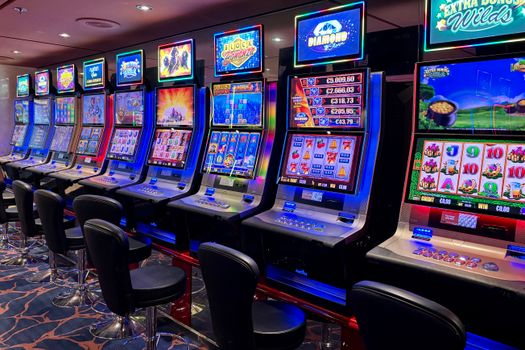
The 1980s ushered in the computer age, and slot machines were quick to embrace digital technology. In 1976, the first video slot machine was developed by Fortune Coin Co. in Las Vegas. Using a modified 19-inch Sony TV for its display, this machine replaced physical reels with video graphics, dramatically expanding the creative possibilities for game designers.
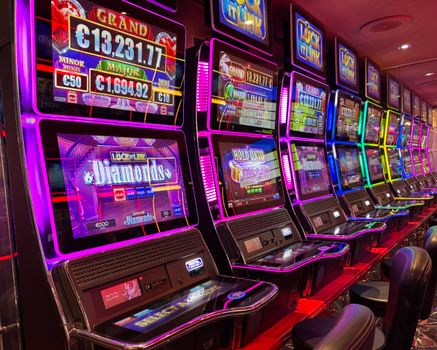
By 1996, video slots had become a staple in casinos, thanks in part to the runaway success of games like Reel 'Em In, developed by WMS Industries. These games introduced features such as bonus rounds, animated sequences, and themes ranging from Hollywood movies to fantasy adventures. The average casino in the United States now dedicates more than 80% of its gaming floor to slot machines, with video slots leading the charge.
Video slots also pioneered the use of random number generators (RNGs), ensuring fair and unpredictable outcomes for every spin. This advancement not only reassured players but also allowed for more intricate gameplay elements, including progressive jackpots and interactive bonus games.
Online and Mobile Slots: A New Era of Accessibility
The rise of the internet in the 1990s and the proliferation of smartphones in the 2000s revolutionized how and where people play slots. The first online casinos launched in 1994, and by the early 2000s, hundreds of online slot games were available to anyone with an internet connection.
Online slots removed physical limitations, offering endless themes, graphics, and gameplay styles. Mega Moolah, a progressive online slot launched in 2006, famously set a Guinness World Record in 2015 by awarding a €17.8 million ($20 million) jackpot—proving just how massive online payouts could become.
Mobile slots took convenience even further. By 2023, over 60% of all online gambling revenue worldwide came from mobile devices, according to H2 Gambling Capital. Games are now optimized for touchscreens, with instant access to hundreds of titles, free spins, and real-money play from anywhere.
Comparing Slot Machine Evolution: Then and Now
To illustrate just how far slot machines have come, here’s a side-by-side comparison of key features:
| Feature | Early Mechanical Slots | Modern Video & Online Slots |
|---|---|---|
| Year Introduced | 1895 (Liberty Bell) | 1976 (Video); 1994 (Online) |
| Reels | 3 mechanical reels | Virtual/video reels, often 5 or more |
| Symbols | Liberty Bells, fruits, bars | Thousands of themes: movies, adventure, fantasy, branded symbols |
| Jackpot Size | 50 cents (Liberty Bell) | Over $20 million (Mega Moolah) |
| Gameplay Features | Single payline, manual lever | Multiple paylines, bonus rounds, free spins, autoplay, interactive features |
| Payout Method | Coin payout (up to 500 coins) | Digital credits, instant online payments |
| Accessibility | Bars, saloons, land-based casinos | Casinos, PCs, smartphones, tablets, worldwide access |
Cultural Impact and Regulation Through the Decades
Slot machines have not only evolved technologically but have also left a profound mark on popular culture and regulatory policy. In the early 20th century, machines were often associated with vice and were banned or heavily restricted in many jurisdictions. In Nevada, legalized gambling in 1931 sparked a casino boom, with slots quickly becoming a main attraction.
Through the decades, slot machines have been featured in countless films, TV shows, and advertisements, symbolizing both the allure and the risks of gambling. The “one-armed bandit” is an enduring icon, even as physical levers have largely disappeared from modern machines.
Regulation has also evolved to protect players. In the United States, the Gaming Control Board in Nevada was established in 1955 to oversee fair play and machine integrity. Today, all licensed slot machines—whether in casinos or online—must pass rigorous testing for randomness and payout fairness by independent agencies such as eCOGRA or GLI.
In 2022, the global slot machine market was valued at approximately $8.6 billion, with the online segment accounting for over 35% of total revenues. Countries continue to adapt laws and responsible gaming programs in response to the ever-changing landscape of digital gambling.
The Future of Slot Machines: Virtual Reality and Beyond
Looking ahead, the evolution of slot machines shows no sign of slowing down. Developers are experimenting with virtual reality (VR) and augmented reality (AR) slots, offering fully immersive environments where players can interact with 3D objects and other participants. VR slots are already available in select online casinos, and industry analysts predict further growth as the technology matures and headsets become more affordable.
Artificial intelligence is also being used to personalize slot experiences, adapting game recommendations and bonuses based on individual player preferences. Blockchain technology has introduced provably fair slots, where players can verify each spin’s outcome using cryptographic algorithms.
With the ongoing integration of new technologies, the slot machine remains not only a staple of casino entertainment but also a dynamic platform for innovation and creativity.
Reflections on the Enduring Appeal of Slot Machines
From a simple coin-operated device in a San Francisco workshop to today’s dazzling digital adventures, the history of slot machines is a testament to human ingenuity and our love of excitement and chance. What started as a mechanical novelty has become a global phenomenon, generating billions in revenue and providing endless entertainment to players of all backgrounds.
Modern slot machines combine cutting-edge technology with timeless appeal, offering something for everyone—whether it’s the nostalgia of classic fruit machines or the immersive thrills of branded video slots. As technology continues to advance, one thing is certain: the spinning reels will keep captivating us for generations to come.