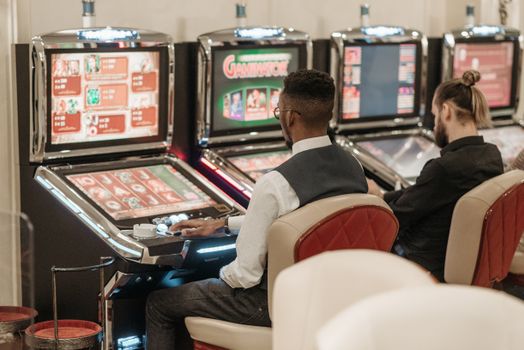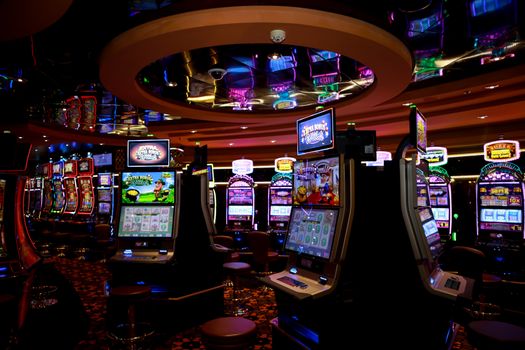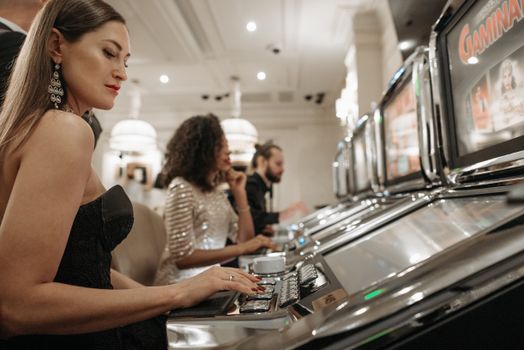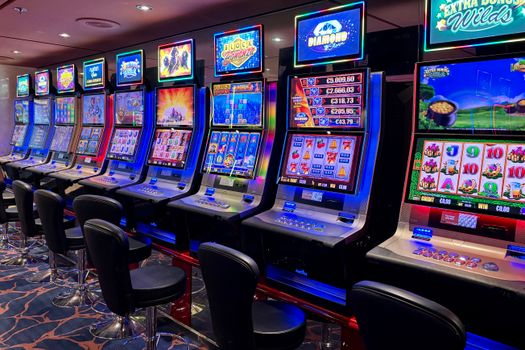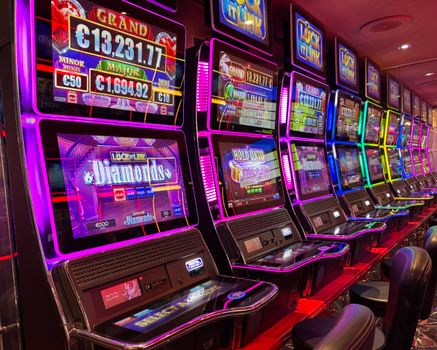
Every day, millions of people across the globe are drawn to the mesmerizing lights and sounds of slot machines—whether in the bustling halls of land-based casinos or through the vivid graphics of online platforms. While the allure of jackpots and the promise of instant rewards are obvious attractions, the real magnetism of slot machines lies deeper: in the human mind. Understanding why we play slot machines means delving into the fascinating interplay between psychology and player behavior. This article explores the psychological forces at work, why they’re so effective, and how they shape our decisions and experiences at the slots.
The Allure of Random Rewards: Variable Ratio Reinforcement
One of the most powerful psychological mechanisms driving slot machine play is the concept of variable ratio reinforcement—a principle rooted in behavioral psychology. Variable ratio schedules reward players after an unpredictable number of actions (in this case, spins). This unpredictability is the same principle that underlies some of the most addictive behaviors, such as gambling and even social media usage.
B.F. Skinner, a pioneering psychologist, discovered that when animals (and people) are rewarded on a variable schedule, they persist in the behavior far longer than if rewards are predictable. With slot machines, this means that after every spin, there’s always the hope that the next could be a big win. This intermittent reinforcement keeps players engaged, often long after they intended to stop.
.png)
A 2020 study by the University of British Columbia found that slot machines using variable ratio reinforcement increased play time by up to 38% compared to machines with fixed schedules. This powerful psychological hook is why “just one more spin” can turn into hours at the reels.
Sensory Stimulation: Lights, Sounds, and Immersion
The casino environment is designed to overwhelm the senses—in a good way. Slot machines employ a sophisticated mix of visual and auditory stimuli that make each win, no matter how small, feel significant. Bright lights flash, coins jingle, and celebratory music plays, all of which trigger the brain’s pleasure centers.
Research from the University of Waterloo revealed that even “losses disguised as wins” (when a player gets their bet back or wins less than they wagered, but the machine still celebrates) can trick players into feeling victorious. In their study, participants’ heart rates and galvanic skin response increased significantly during these events, illustrating a genuine physiological reaction to the sensory cues, not just the monetary outcome.
This immersive experience is further heightened in online slots, which have evolved to include animations, interactive bonus rounds, and even storylines. These features create a “flow” state—similar to what athletes experience—where time seems to disappear and the world outside the game fades away. In fact, a 2022 report by the UK Gambling Commission noted that 67% of online slot players cited the game’s entertainment value and immersive qualities as primary reasons for play, rather than just the potential for monetary win.
The Illusion of Control and Near Misses: Fueling the Chase
Slot machines are, by design, games of chance. Yet, they cleverly exploit the human tendency to believe we have more control than we actually do—a phenomenon known as the “illusion of control.” Features like “hold” or “nudge” buttons, stop reels, or picking bonus items give players a sense of agency, even though the outcomes are determined by random number generators.
Equally influential is the “near miss” effect. When the reels stop just one symbol away from a big jackpot, the emotional response is often excitement rather than disappointment. Neuroscientific studies, including one from the University of Cambridge, have shown that near misses activate the same brain regions as actual wins. This encourages continued play, as players feel they’re “close” to winning, even when every spin is statistically independent.
Emotional Drivers: Escape, Excitement, and Social Factors
Beyond the mechanics of the machines themselves, emotional and social factors play a pivotal role in why people are drawn to slots. For many, playing slot machines is a form of escapism—a break from daily stress, routine, or negative emotions. The repetitive nature of spinning reels, combined with the stimulation of wins and the anticipation of jackpots, can provide a temporary psychological respite.
According to a 2019 survey by the American Gaming Association, 56% of slot players reported that relaxation and entertainment were their main motivations, not just the prospect of winning money. For some, the casino is a social venue—a place to meet friends, share experiences, and be part of a community. Online platforms have adapted, offering chat rooms, tournaments, and leaderboards to replicate these social elements.
Demographics and Player Preferences: Who Plays and Why?
Understanding who plays slot machines and why can reveal much about their psychological appeal. While the stereotype of the solitary gambler persists, recent data paint a more nuanced picture.
A 2023 Statista report found that slot machine players are fairly evenly split by gender (52% female, 48% male), with the largest age group being 45-64 years old. Interestingly, younger generations (aged 18-34) are increasingly drawn to online slots with gamified features, skill-based components, and themes inspired by pop culture.
The table below summarizes some of the key demographic and motivational differences among slot machine players:
| Demographic Group | Preferred Platform | Top Motivation | Key Feature |
|---|---|---|---|
| 18-34 years | Online/mobile | Entertainment, social play | Gamification, interactive bonuses |
| 35-54 years | Mixed (land-based & online) | Relaxation, potential winnings | Classic themes, progressive jackpots |
| 55+ years | Land-based | Routine, socializing | Familiarity, community events |
These insights show that the appeal of slot machines is not one-size-fits-all. Developers and casino operators now tailor their offerings to meet the unique psychological needs and preferences of different player groups.
The Dark Side: When Psychology Meets Problem Gambling
While the psychological design of slot machines can create enjoyable entertainment, it also poses risks for some individuals. The same mechanisms that keep casual players engaged—variable rewards, sensory stimulation, and near-miss effects—can contribute to problematic gambling behaviors.
The World Health Organization recognizes gambling disorder as a behavioral addiction. Studies estimate that between 1-3% of adults in developed countries meet the criteria for problem gambling, with slot machines being a common source. In Australia, where slot machines (known as “pokies”) are widespread, around 15% of regular players are estimated to be at risk of gambling harm.
Modern casinos and online operators are increasingly using psychology-informed tools for harm minimization. These include pop-up reminders, self-exclusion options, and algorithms that detect risky play patterns. However, critics argue that more stringent regulation and player education are essential to counterbalance the sophisticated psychological hooks built into the games.
Final Thoughts on the Psychology Behind Slot Machine Play
Slot machines, both physical and digital, are marvels of psychological engineering. They skillfully blend unpredictability, sensory rewards, and emotional triggers to create a uniquely compelling form of entertainment. For most players, spinning the reels is a harmless and enjoyable pastime. For others, it can become a problematic compulsion.
By understanding the psychological principles at play—from variable reinforcement to the illusion of control—players can make more informed choices, and policymakers can better safeguard those at risk. As the industry continues to evolve, a balanced approach that prioritizes both entertainment and player well-being is essential.