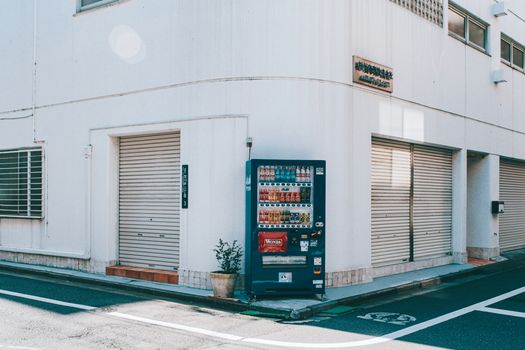
The world of vending machines is evolving faster than ever, driven by technology, sustainability, and shifting consumer expectations. No longer limited to dispensing snacks and sodas in break rooms or train stations, modern vending machines are becoming high-tech retail solutions, delivering fresh food, electronics, and even luxury items. In 2023, the design of vending machines is experiencing a dynamic transformation, reflecting broader trends in automation, user experience, and eco-conscious innovation. Let’s explore the latest trends shaping vending machine design this year, and how they’re redefining convenience for businesses and consumers alike.
Smart Technology and IoT Integration in Vending Machines
One of the most significant trends in vending machine design for 2023 is the integration of smart technology and Internet of Things (IoT) capabilities. Today’s vending machines are equipped with sensors, connectivity modules, and sophisticated software that enable real-time data collection, remote monitoring, and seamless management.
For example, modern machines can automatically notify operators when inventory is low, or when maintenance is required. This reduces downtime, lowers operational costs, and ensures customers always find what they’re looking for. According to a 2022 report by Grand View Research, the global smart vending machine market is expected to reach $15.5 billion by 2027, growing at a compound annual growth rate (CAGR) of 10.3%. This surge is driven largely by the demand for contactless experiences and data-driven insights.
.png)
Smart vending machines also support dynamic pricing, allowing operators to adjust prices based on factors like time of day, demand, or expiration dates. This flexibility not only maximizes revenue for owners but also helps reduce food waste.
Touchless and Contactless User Interfaces
The COVID-19 pandemic accelerated the adoption of touchless technology across many industries, and vending machines are no exception. In 2023, user safety and hygiene remain top priorities, leading to the widespread adoption of contactless payment and interaction systems.
Many new vending machine models now support payments via mobile wallets such as Apple Pay, Google Pay, and Samsung Pay, as well as traditional credit/debit cards. Some even use QR codes that customers scan with their smartphones to select and pay for products, eliminating the need for physical contact with the machine.
There are also machines equipped with gesture recognition or voice-activated controls. For example, a customer can make a hand motion in front of a sensor to make a selection, or simply speak their choice. These innovations not only improve hygiene but also create a futuristic, engaging user experience.
Sustainable and Eco-Friendly Vending Solutions
Sustainability is no longer a buzzword—it’s a core component of vending machine design in 2023. Manufacturers are responding to growing environmental concerns by developing machines that are energy-efficient, use eco-friendly materials, and support sustainable practices.
Some key sustainability trends include:
- $1 New machines use advanced compressors and insulation to reduce energy consumption by up to 40% compared to older models. - $1 In sunny locations, solar panels can provide power for vending machines, reducing reliance on the grid. - $1 Many vending machines are now constructed with recyclable metals and plastics, minimizing their environmental footprint. - $1 In some innovative models, customers can refill their own containers with snacks or beverages, reducing single-use packaging waste.For example, the Japanese government has encouraged the rollout of “eco vending machines,” which use up to 30% less energy than conventional units. With over 4 million vending machines in Japan alone, this shift has a significant impact on national energy use and carbon emissions.
Expanding Product Diversity and Customization
Today’s consumers expect more than chips and soda. Vending machine design in 2023 is all about delivering variety and customization to meet changing tastes and dietary preferences.
Modern vending machines now offer:
- Fresh food and healthy options: From salads and sandwiches to cold-pressed juices and vegan snacks, machines are being stocked with healthier choices. - High-end products: Some machines dispense electronics, cosmetics, or even luxury accessories, providing 24/7 retail for items once thought too valuable for unattended sales. - Local and artisanal goods: Machines can be customized to sell locally sourced products, supporting small businesses and offering unique selections. - Customizable experiences: Interactive screens allow users to build their own meal kits or select toppings for freshly made items like pizza or ramen, which are prepared in the machine itself.A good example is the Farmer’s Fridge network in the United States, which dispenses chef-crafted salads and wholesome meals in recyclable jars. The company reported a 60% increase in demand for fresh options between 2021 and 2023, illustrating the appetite for healthier, customizable choices.
Design Innovation: Compact, Modular, and Aesthetic Machines
Vending machines are now designed to fit seamlessly into a wider variety of settings—offices, airports, gyms, hotels, and even residential buildings. This has sparked a wave of design innovation, with machines becoming more compact, modular, and visually appealing.
- $1 Smaller machines can be installed in high-traffic areas where space is at a premium. - $1 Some manufacturers offer modular machines that can be easily reconfigured or expanded to accommodate different product types or volumes. - $1 Designers are paying greater attention to color, lighting, and interface design, transforming vending machines from utilitarian boxes to stylish fixtures.For instance, Coca-Cola’s “Freestyle” vending machines feature sleek, customizable touchscreens and ambient lighting, standing out as a design element in public spaces. These machines can dispense over 100 different drink combinations, emphasizing both form and function.
Comparing Traditional vs. Modern Vending Machine Features
To better understand how vending machine design has evolved, let’s compare traditional models with the latest smart machines of 2023.
| Feature | Traditional Vending Machines | Modern Vending Machines (2023) |
|---|---|---|
| Payment Methods | Cash, coins | Mobile wallets, contactless cards, cashless, QR codes |
| User Interface | Mechanical buttons | Touchscreens, gesture control, voice activation |
| Inventory Management | Manual checks | Remote monitoring, real-time data via IoT |
| Product Range | Snacks, drinks | Fresh food, electronics, customized items |
| Energy Consumption | High | Energy-efficient, solar options |
| Sustainability | Minimal consideration | Recyclable materials, packaging-free, eco-modes |
The Role of Artificial Intelligence and Personalization
Artificial Intelligence (AI) is finding its way into vending machine design, enabling machines to provide personalized recommendations and dynamic product offerings. AI-powered vending machines can analyze sales data, user preferences, and even recognize returning customers through loyalty programs.
For example, a vending machine in a university might suggest energy drinks and healthy snacks to students during exam periods, or offer bundled discounts to frequent users. By using machine learning algorithms, operators can optimize product selection and placement, increasing both sales and customer satisfaction.
In some markets, facial recognition is being tested to enable age verification for restricted products, such as alcohol or tobacco, while ensuring privacy and security. According to Allied Market Research, the global AI in retail market was valued at $5.5 billion in 2021 and is projected to exceed $31 billion by 2028, with vending machines expected to play a significant role in this expansion.
Final Thoughts: The Future of Vending Machine Design in 2023 and Beyond
The vending machine industry is undergoing a remarkable transformation in 2023, spurred by advancements in technology, a growing focus on health and sustainability, and a desire for more engaging, convenient retail experiences. Smart features, contactless interfaces, eco-friendly materials, and personalized offerings are becoming standard, while innovative design makes machines more attractive and versatile than ever.
As vending machines continue to adapt and diversify, they’re poised to become an integral part of the modern retail landscape—not just as providers of snacks, but as sophisticated, automated stores capable of serving a wide range of customer needs. Businesses that invest in the latest vending machine designs stand to benefit from increased efficiency, enhanced customer engagement, and a stronger reputation for sustainability and innovation.