The Impact of Technology on Modern Vending Machines: What Awaits Us in the Future?
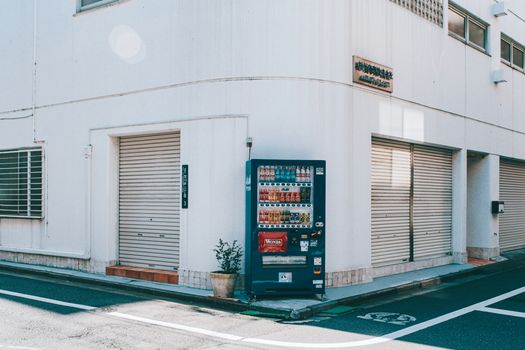
Vending machines have long been a familiar part of our everyday landscape, dispensing snacks, drinks, and even novelty items with the simple push of a button. But in recent years, technology has dramatically transformed these humble machines into high-tech, interactive, and data-driven retail tools. With the integration of cashless payments, smart sensors, artificial intelligence, and real-time connectivity, modern vending machines are no longer just about convenience—they’re about experience, efficiency, and innovation. As we look ahead, the future of vending machines promises even more exciting advancements that will reshape how we interact with these automated retailers.
From Mechanical to Digital: A Brief Evolution of Vending Machines
The evolution of vending machines mirrors broader technological progress. The earliest vending machines date back to ancient Egypt, where a device dispensed holy water in exchange for coins. In the 1880s, London introduced penny-operated postcard dispensers, and by the 20th century, the concept had spread globally, focusing mainly on snacks and beverages.
The real leap came in the late 20th and early 21st centuries, as digital technology began to influence design and function. Today’s machines often feature touchscreens, cloud connectivity, and advanced inventory management. According to Grand View Research, the global vending machine market was valued at $30.3 billion in 2022 and is expected to grow at a CAGR of 9.4% through 2030, largely due to technological advancements.
.png)
Cashless Payments and Mobile Integration: Redefining Accessibility
One of the most significant impacts of technology on vending machines is the widespread adoption of cashless payment systems. Where coins and bills once reigned supreme, new machines now accept a wide range of payment options, including:
- Credit/debit cards (contact and contactless) - Mobile wallets (Apple Pay, Google Pay, Samsung Pay) - QR code payments - NFC (Near Field Communication) technologyA 2021 report by USA Technologies found that vending machines equipped with cashless payment options saw a 32% increase in sales compared to cash-only units. This reflects changing consumer preferences: a study from the Federal Reserve reveals that only 19% of all purchases in the U.S. were made with cash in 2022, down from 26% in 2019.
Mobile apps have further enhanced the vending experience. Users can locate nearby machines, pre-order items, receive digital loyalty rewards, and even report issues directly from their smartphones. Some companies now offer subscription plans for regular deliveries, further blurring the line between vending and on-demand retail.
Smart Vending: The Role of AI, IoT, and Data Analytics
Modern vending machines are increasingly equipped with sensors, cameras, and cloud connectivity, transforming them into “smart” retail platforms. Technologies like the Internet of Things (IoT) enable real-time monitoring of inventory, temperature, and machine health. For operators, this means more efficient restocking, reduced downtime, and better product management.
Artificial intelligence (AI) and machine learning algorithms analyze purchasing trends, optimize product selections, and even adjust pricing dynamically to maximize sales. For example, a smart vending machine in a university setting might stock more energy drinks during exam periods, or a machine in a gym may offer protein bars and sports drinks.
Data collected from smart vending machines can include:
- Purchase history and peak usage times - Demographic insights via facial recognition (where privacy regulations allow) - Inventory turnover rates - Maintenance requirementsThis data-driven approach allows operators to tailor offerings to specific locations and customer profiles, reducing waste and increasing customer satisfaction.
Enhanced User Experience: Personalization and Interactivity
Today’s vending machines aren’t just automated dispensers; they’re interactive retail experiences. Touch screens and high-definition displays enable:
- Personalized product recommendations based on previous purchases - Nutritional information and allergen warnings - Multi-language support for diverse customer bases - Engaging advertisements and promotional offersFor example, Coca-Cola’s “Freestyle” vending machines let users mix and match drink flavors using a touchscreen interface, creating a unique beverage experience. In Japan, some vending machines use facial recognition to recommend drinks based on estimated age, gender, and even weather conditions.
Gamification is another trend: some machines offer instant-win games, digital scratch cards, or loyalty points, encouraging repeat use and fostering brand engagement. According to a 2023 study by Vending Market Watch, machines with interactive features see, on average, 19% higher repeat use compared to traditional models.
Sustainability and the Green Vending Movement
Environmental concerns are reshaping the vending industry as well. Technological innovations are helping to reduce the ecological footprint of vending machines through:
- Energy-efficient LED lighting and refrigeration - Solar-powered units for outdoor locations - Smart inventory management to minimize expired or unsold products - Eco-friendly packaging and refillable containersFor example, Coca-Cola Japan has rolled out over 1 million energy-saving vending machines since 2010, which use up to 40% less electricity compared to previous models. Some European cities are piloting reverse vending machines that accept empty bottles or cans and reward users with discounts or digital credits.
The table below compares traditional vending machines with modern smart vending solutions:
| Feature | Traditional Vending Machine | Modern Smart Vending Machine |
|---|---|---|
| Payment Options | Cash only | Cash, card, mobile, QR code, NFC |
| Inventory Management | Manual checks | Real-time, cloud-based monitoring |
| User Interface | Physical buttons | Touchscreen, digital display |
| Personalization | None | AI-driven recommendations |
| Energy Efficiency | Standard lighting & cooling | LED, energy-saving modes, solar |
| Customer Engagement | One-way transaction | Interactive, gamified, loyalty rewards |
What the Future Holds: Predictions and Possibilities
The next decade is poised to bring even more radical changes to the vending industry, driven by consumer expectations and technological advances:
1. $1 Vending machines will increasingly offer prepared foods, fresh produce, and even custom-made items. Robotic arms and food-safe 3D printers are already being piloted in some regions, letting users order made-to-order pizzas, salads, or even personalized desserts. 2. $1 Future vending could include thumbprint or facial recognition not just for payment, but for age verification and personalized recommendations. This could help restrict sales of regulated products (like alcohol or tobacco) and tailor offerings to individual users. 3. $1 Machines made from recycled or biodegradable materials, coupled with systems for returning or refilling containers, will help reduce waste. 4. $1 Vending machines will become more specialized, offering hyper-local products based on neighborhood preferences and trends. This may include farm-to-table snacks, local crafts, or culturally specific items. 5. $1 Connected vending machines can become nodes in larger urban networks—sharing data with city planners, supporting public health initiatives, or offering emergency supplies in disaster situations.Statistically, the Asia-Pacific region is expected to lead the market's growth, with China and Japan already accounting for more than 45% of the global vending machine installations as of 2023. In the United States, the National Automatic Merchandising Association projects that by 2027, over 80% of new vending machines will be “smart” units enabled with remote monitoring, cashless payments, and AI-driven inventory management.
Final Thoughts on the Future of Vending Machines and Technology
The rapid integration of technology into vending machines has transformed them from simple snack dispensers into sophisticated, interactive retail solutions. These innovations not only offer greater convenience and personalization for consumers but also drive operational efficiency and sustainability for operators. As AI, IoT, and automation continue to evolve, the vending machine of tomorrow will be smarter, greener, and more responsive to consumer needs than ever before.
Whether it’s paying with a tap of your phone, enjoying a custom-mixed drink, or returning a used bottle for credit, the humble vending machine is quickly becoming a showcase for the latest in retail technology. For businesses, cities, and consumers alike, the future of vending holds immense promise—and it’s arriving faster than you might expect.