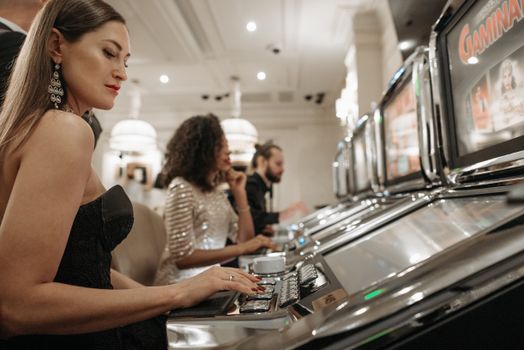
Slot machines have captivated players for over a century, evolving from mechanical wonders to high-tech digital entertainment. Yet despite their popularity and the wealth of information available, myths and misconceptions about how slots work remain remarkably persistent. These beliefs shape the way people play, often leading to misguided strategies and unrealistic expectations. In this article, we’ll debunk the most common myths about playing slot machines, explain why they don't hold up, and show you what really determines your chances of winning.
Why Slot Machine Myths Persist
The world of slot machines is shrouded in mystery for many players. The spinning reels, flashing lights, and unpredictable outcomes can make these games feel almost magical. This sense of mystery, combined with the hope of a big win, creates fertile ground for myths to take root. According to a 2021 survey by the American Gaming Association, over 40% of regular casino visitors admitted to believing at least one common slot machine myth. The enduring popularity of these misconceptions is fueled by stories from friends, selective memory about big wins, and a general misunderstanding of how slot machines actually operate.
Casinos also tend to encourage the excitement and unpredictability of slots, which can further obscure the truth. The reality, however, is that modern slot machines are governed by mathematics and technology — not luck, superstition, or secret patterns.
.png)
Myth 1: Slot Machines Are “Due” for a Win
Perhaps the most widespread slot machine myth is the idea that a machine is "due" to pay out after a long losing streak. Players often watch a machine that hasn't paid out for a while and believe it's about to hit a jackpot. This belief is known as the Gambler’s Fallacy — the mistaken idea that past outcomes influence future results in games of chance.
Modern slot machines use Random Number Generators (RNGs) to determine the outcome of every spin. An RNG is a computer program that generates thousands of numbers per second, each corresponding to a possible combination on the reels. When you press the spin button, the RNG selects a number that determines the outcome, entirely independent of previous spins.
Fact: According to the Nevada Gaming Control Board, RNGs ensure that every spin on a slot machine is independent and random. The odds of hitting a jackpot on any given spin are always the same, regardless of what happened before. Whether a machine has just paid out or hasn’t hit in hours, the probability does not change.
Myth 2: Timing and Betting Size Affect Your Chances
Another common misconception is that your chances of winning are better if you play at certain times of day, or if you bet larger amounts. Some players believe that casinos set their machines to pay out more during slow periods to attract crowds, or that inserting more money at once improves their odds.
In reality, slot machines are programmed with a fixed Return to Player (RTP) percentage and use RNG technology to ensure fairness. The RTP is the percentage of all wagered money a slot will pay back to players over time, typically ranging from 85% to 98% depending on the machine and jurisdiction.
Fact: There is no evidence that casinos alter slot machine payout rates based on time of day or betting amounts. In regulated markets, gaming authorities test and certify slot machines to ensure they meet strict fairness standards. For example, the UK Gambling Commission requires all slots to use certified RNGs and to display their RTP rates.
| Myth | Reality |
|---|---|
| Slots pay out more at night or on weekends | Payouts are determined by RNGs and do not vary by time |
| Betting bigger increases your chances of winning | Bet size may increase potential winnings, not the odds |
| Machines are “hot” or “cold” depending on streaks | Each spin is independent; streaks are random |
Myth 3: Slot Machines Can Be “Loosened” or “Tightened” Remotely
A persistent belief among players is that casino staff can control when machines pay out, either by flipping a switch in a back room or via remote access. Some think casinos “tighten” machines during busy periods to make more money or “loosen” them to encourage more play.
In truth, changing the payout percentage or settings on a slot machine is a complex process. In most regulated jurisdictions, any adjustment to a machine’s payout rate requires physical access to the device and is closely monitored by gaming authorities. For online slots, changes to the RTP or game settings must be approved by regulatory bodies and are subject to strict audit trails.
Fact: According to the New Jersey Division of Gaming Enforcement, altering a slot machine’s payout percentage can only be done by certified technicians under supervision, and must be reported to the regulator. Remote changes are generally prohibited, and penalties for unauthorized tampering are severe.
Myth 4: Using a Players Card Lowers Your Chances
Many casino-goers avoid using players club cards, fearing the casino will detect winning streaks and adjust the machine to pay less if they are being tracked. This myth suggests that using a loyalty card somehow changes the machine’s payout behavior.
However, the players card system is entirely separate from the slot machine’s RNG and payout mechanisms. The card simply records your play for the purposes of awarding comps or promotions — it does not affect the outcome of any spin.
Fact: Slot machine manufacturers and casino operators confirm that the use of a players card has no impact on the game’s performance. A 2020 study by the University of Nevada, Las Vegas found no statistical difference in payouts between carded and uncarded play.
Myth 5: Secret Tricks or “Guaranteed” Strategies Can Beat the Slots
The internet is full of supposed strategies for beating slot machines — from pressing buttons in a certain sequence, to tracking “patterns,” to buying systems that promise guaranteed wins. These claims prey on the hope that there is a hidden way to outsmart the system.
The reality is that there is no skill involved in spinning a slot machine; the outcome is 100% random within the constraints of the game’s design. While understanding payout tables and choosing higher RTP machines is smart, no strategy can alter the fundamental odds of a given spin.
Fact: Law enforcement agencies regularly warn against scams selling “guaranteed” slot systems. In 2019, the Federal Trade Commission reported over 1,000 complaints related to gambling system scams in the U.S. alone, with millions lost by consumers chasing false promises.
Understanding the True Odds and How to Play Responsibly
Dispelling these myths doesn’t mean you can’t enjoy playing slots — in fact, understanding the realities can help you play smarter and avoid disappointment. The best approach is to see slot machines for what they are: games of chance designed for entertainment, not consistent profit or skill-based play.
Here are some key facts to keep in mind: - The average RTP of modern slot machines in most U.S. casinos is around 92-94%. - The odds of hitting a major progressive jackpot can be as low as 1 in 50,000,000. - Slot games with higher volatility offer bigger potential wins but less frequent payouts, while low-volatility games pay out smaller amounts more often.Set a budget before you play, understand the game’s paytable and rules, and remember that winning is always a matter of luck. Treat any win as a bonus, not an expectation.
Final Thoughts: Why You Shouldn’t Believe Slot Machine Myths
Slot machine myths persist because they offer an illusion of control and hope, fueling the excitement that makes these games so popular. But believing in these myths can lead to frustration, poor bankroll management, and chasing losses. The truth is that slot outcomes are governed by randomness and mathematics, not superstitions or secret strategies.
By understanding how slot machines really work, you can enjoy them as they are meant to be enjoyed: as games of entertainment with a random chance of winning. Approach slots with realistic expectations, and you’ll have a much more enjoyable — and responsible — gaming experience.